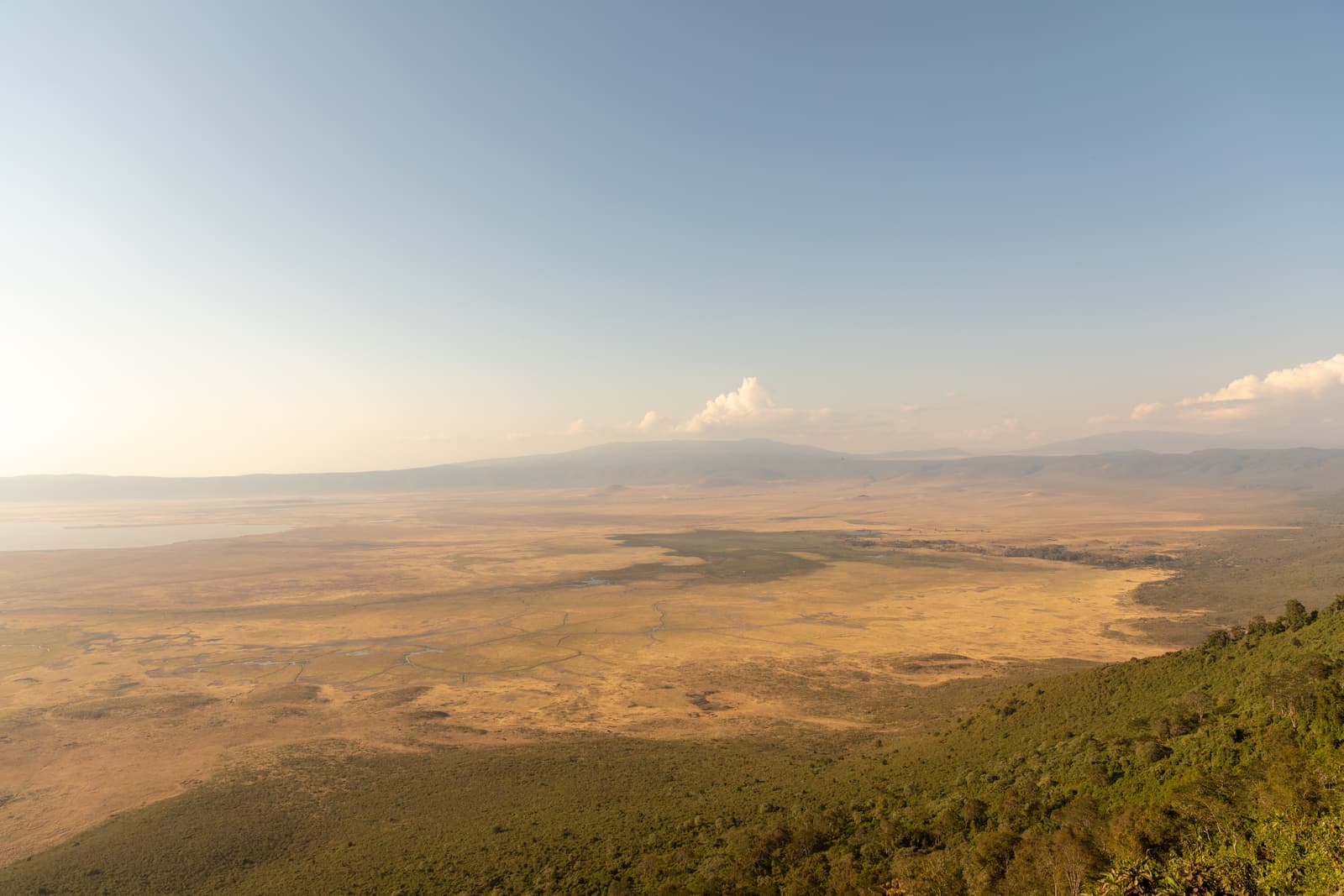
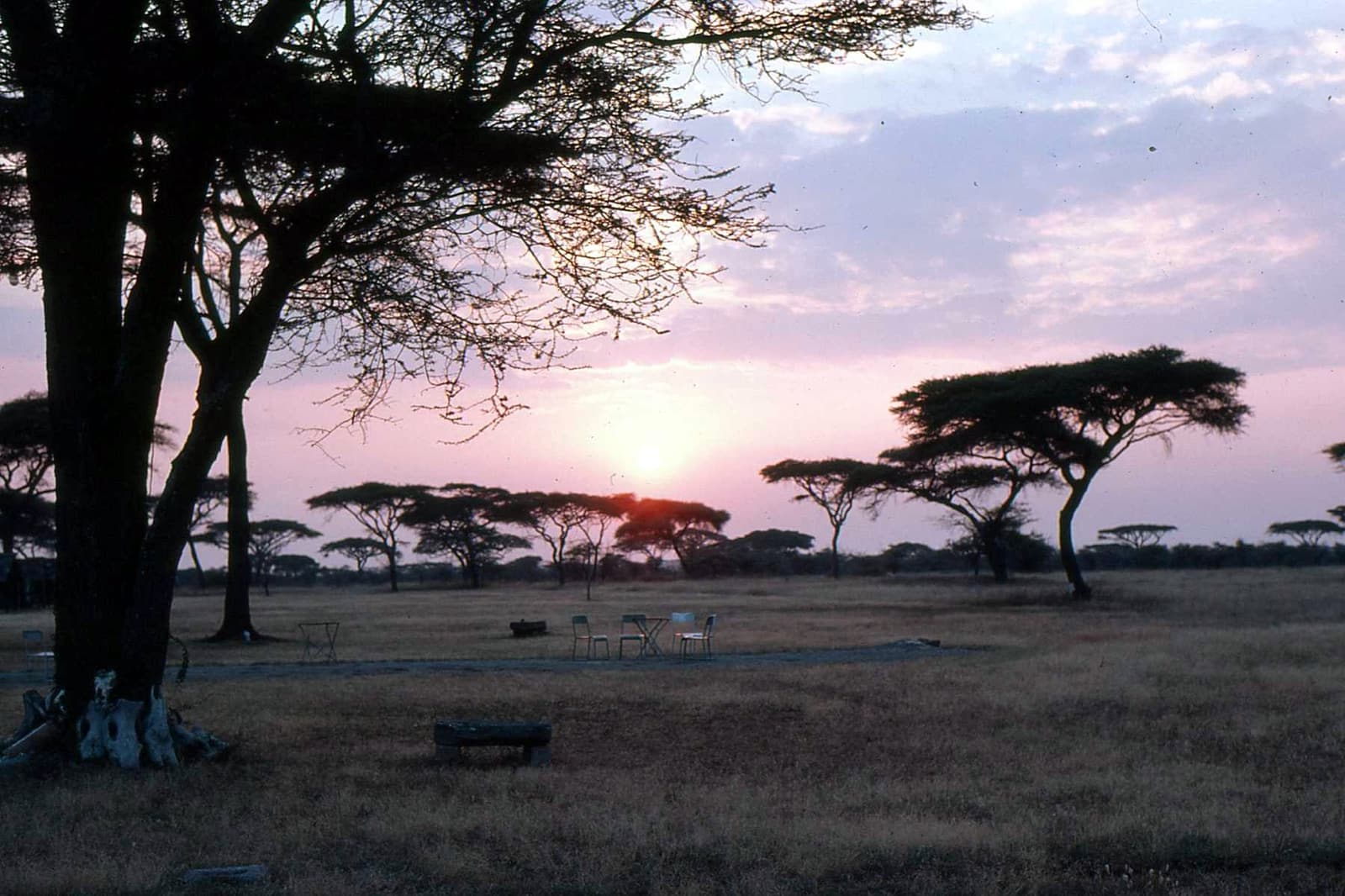
On the far western edge of the conservation area, where it meets the Serengeti, acacia woodland surrounds two alkaline lakes, Ndutu and Masek. Around them stretch the short-grass plains — volcanic soils that grow some of the most nutritious grazing in the ecosystem once the rains begin.
That grass is why the Great Migration comes here to give birth. From roughly December to March the wildebeest and zebra herds spread across these plains, and during a few weeks, usually around February, most of the year’s calves are born — many thousands a day at the peak. Lions, cheetahs and hyenas are never far away.
Top things to do: Ndutu
Watch the calving season
A wildebeest calf stands within minutes and runs with the herd soon afterwards. Seeing the plains covered with animals to the horizon, with newborns among them, is one of Africa’s great wildlife sights. Exact timing follows the rain and shifts from year to year, so plan on at least two or three nights.
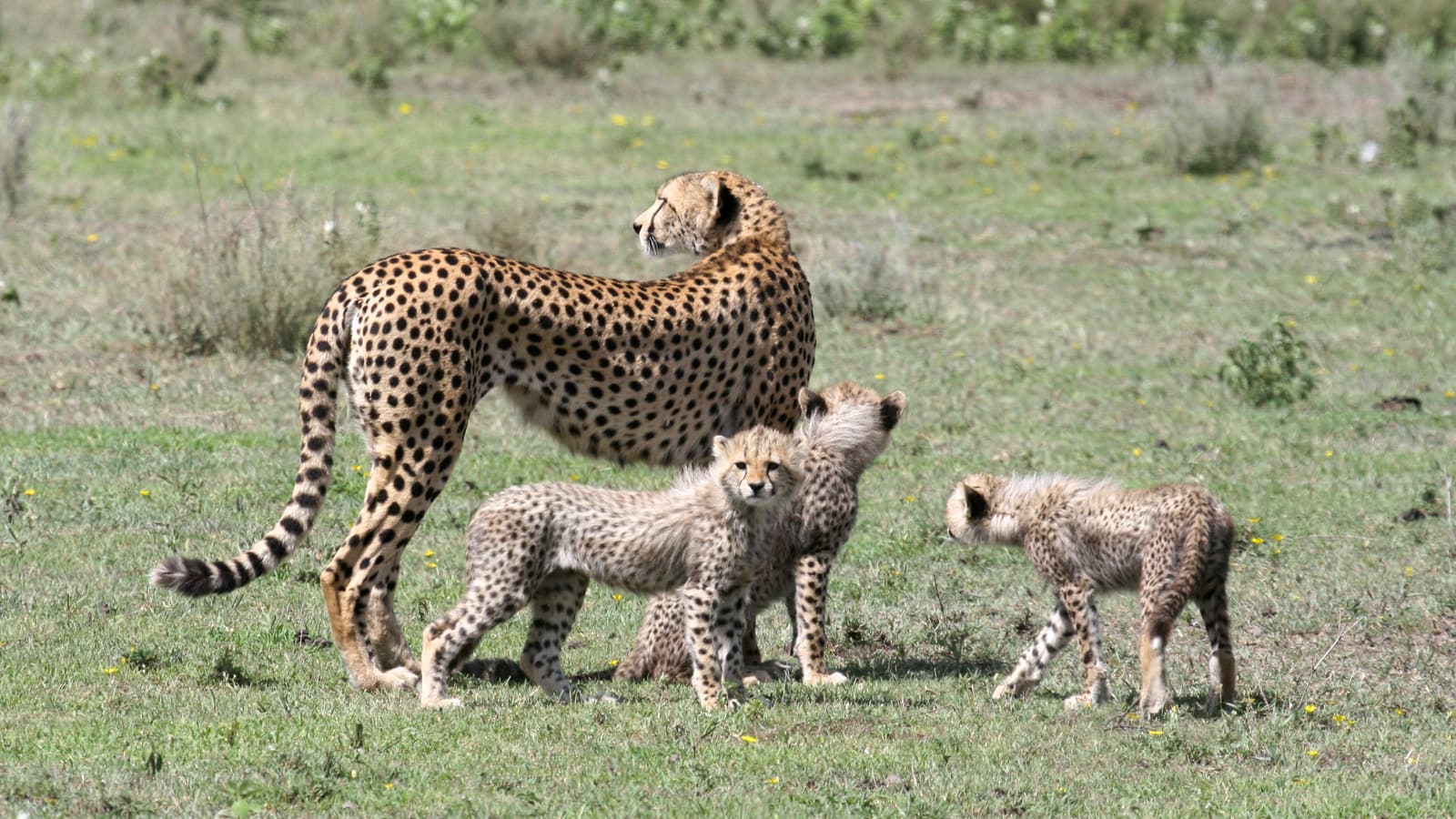
Look for cheetah and other cats
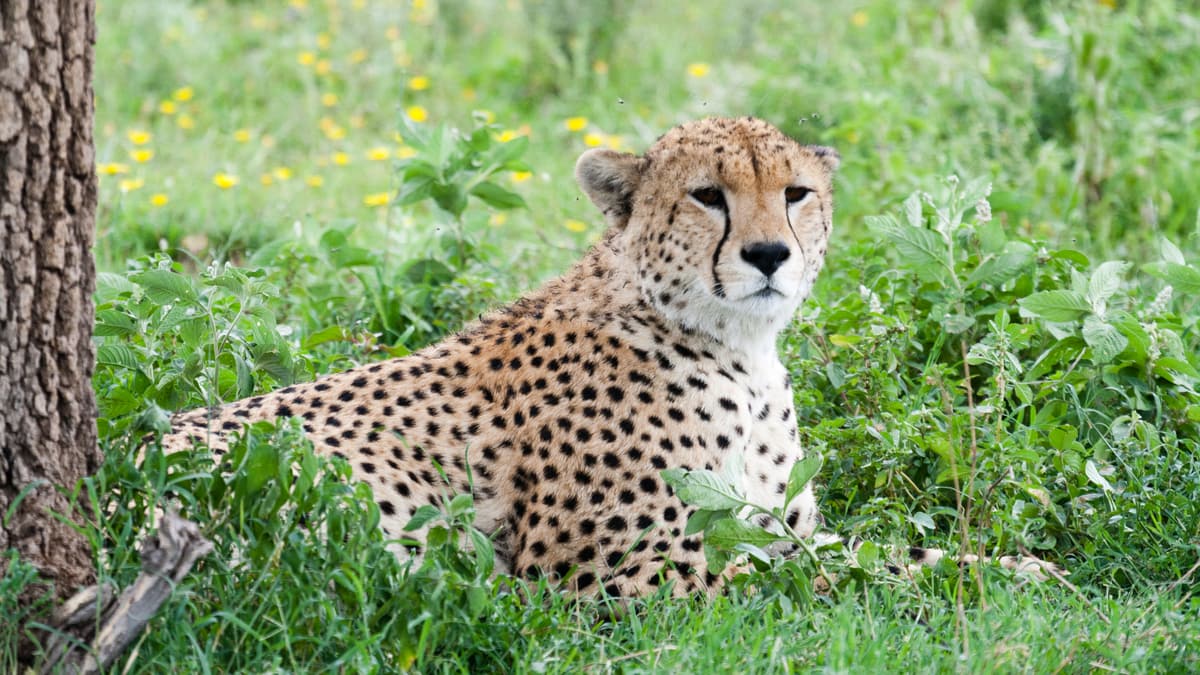
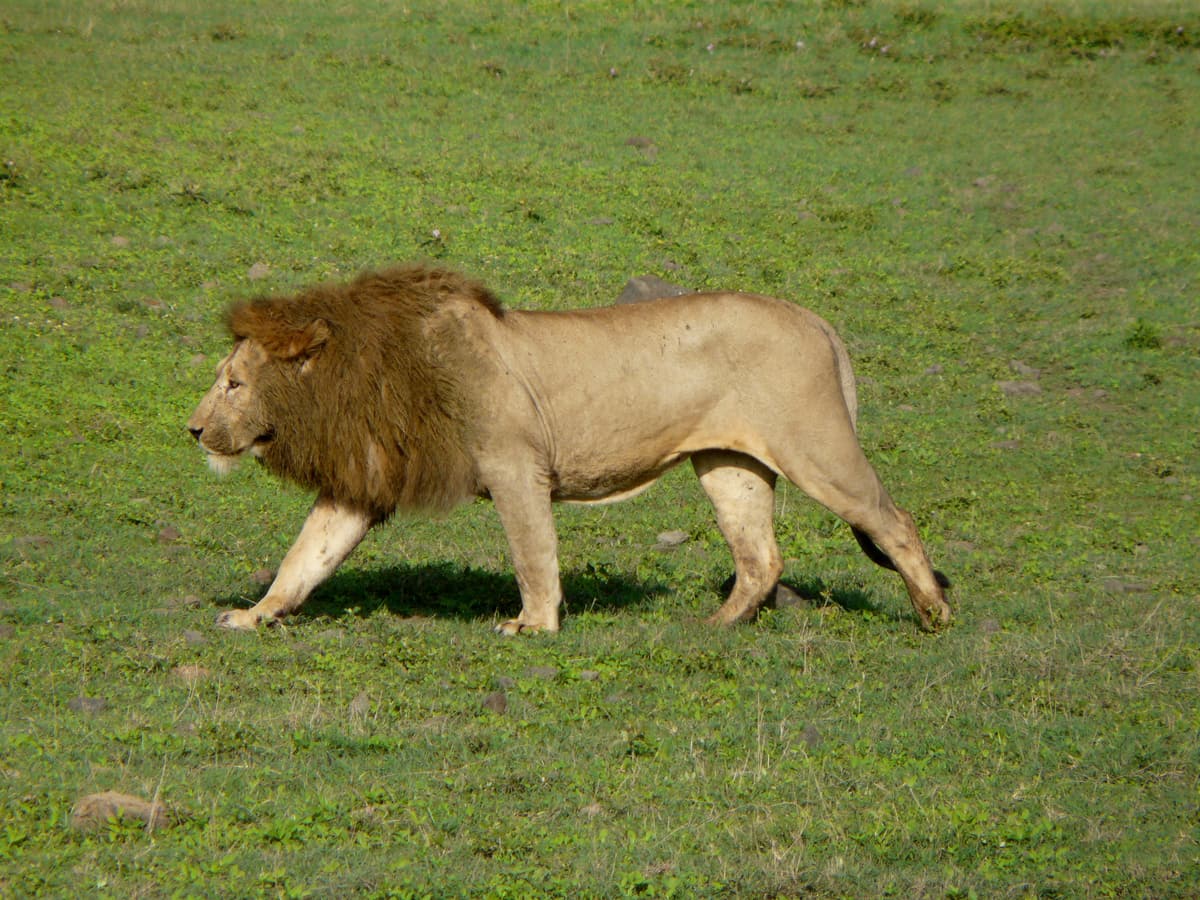
Open ground and abundant prey make Ndutu one of the most reliable places in northern Tanzania for cheetah. Lions are resident in the marshes and woodland, and the area is known for smaller cats such as serval and caracal as well.
Birdlife on the lakes
Lakes Ndutu and Masek attract flamingos and other waterbirds when they hold water, and the woodland is busy with rollers, lovebirds and raptors.
How to get to Ndutu
- By road Ndutu is roughly two to three hours beyond the Ngorongoro Crater rim, turning off the Serengeti road before Naabi Hill Gate.
- There is an airstrip served by light aircraft from Arusha in season — useful for skipping the long drive one way.
- Most visitors come on a multi-day safari that pairs Ndutu with the crater and often the central Serengeti.
Insider tips
- Come between December and March. In the dry season, June to October, the herds are far to the north and many seasonal camps close or move.
- Ndutu straddles the boundary between the conservation area and Serengeti National Park, and separate fees can apply on each side — ask your operator how your itinerary handles this.
- After heavy rain the black-cotton soil turns to deep mud. Allow extra time and expect to get stuck occasionally.
Best tours & safaris: Ndutu
These experiences are the easiest way to see Ndutu:
 Multi-day safari from €2228
Arusha: 4-Day Ndutu Migration Safari and Ngorongoro Crater
A safari aimed at the wildebeest calving season on the short-grass plains around Ndutu, roughly December to March, combined with a Ngorongoro Crater descent. Outside those months the herds are elsewhere, so this itinerary only makes sense in season. A newer listing without many reviews yet.
- Timed for the calving season at Ndutu
- Ngorongoro Crater game drive
- New listing — few reviews yet
 Multi-day safari from €802
Arusha: 3-Day Serengeti & Ngorongoro Crater Big Five Safari
The classic short northern-circuit safari and the most-reviewed Ngorongoro product on GetYourGuide. You drive from Arusha across the conservation area to the Serengeti, spend the night out on the plains, and finish with a morning descent into the Ngorongoro Crater before returning to Arusha. Three days is tight for the distances involved, but it does deliver both headline parks.
- Two days in the Serengeti, one in the crater
- Game drives in a pop-up-roof 4x4
- The most-reviewed Ngorongoro safari on GetYourGuide
 Camping safari from €846
Arusha: Serengeti and Ngorongoro Multi-Day Camping Safari
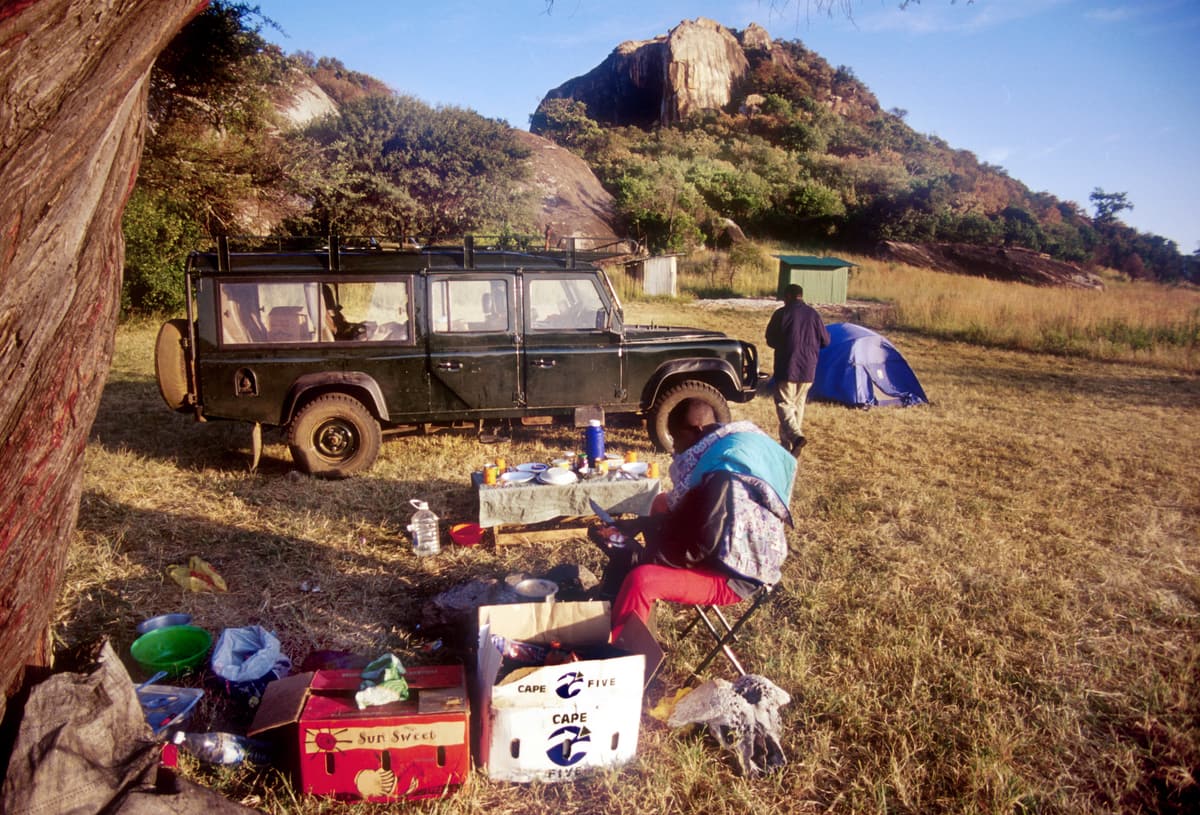
A budget camping safari from Arusha that covers the Serengeti and the Ngorongoro Crater, with tents, a cook and a driver-guide. Camping keeps the price down and puts you inside the parks at night — bring warm layers, because the public campsite on the crater rim sits at about 2,300 metres and is cold.
- Budget camping with a safari cook
- Serengeti game drives and a crater descent
- Dozens of traveller reviews
 Balloon flight from €534
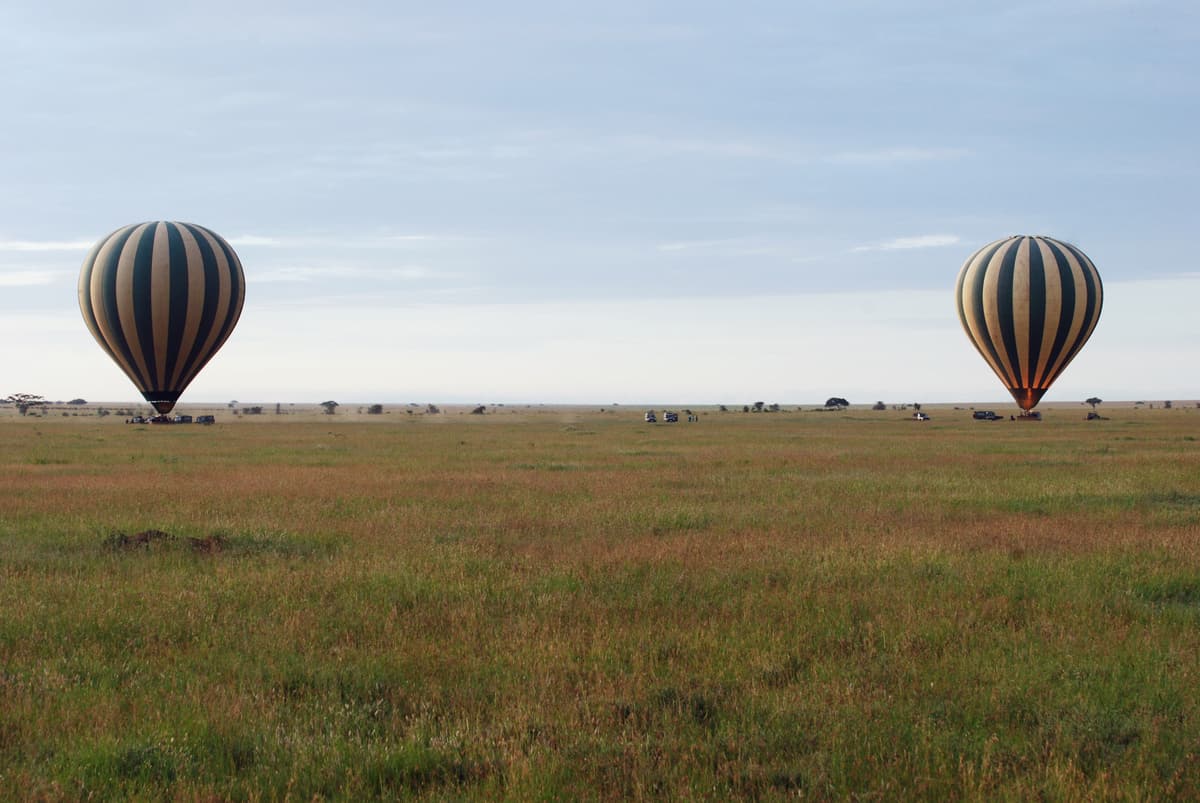
Serengeti National Park: Balloon Safari at Dawn
A dawn hot-air balloon flight over the Serengeti followed by a bush breakfast. It starts inside the park before sunrise, so it only works if you are already sleeping in the Serengeti — treat it as an add-on to a multi-day safari, not a stand-alone trip.
- Dawn flight over the Serengeti
- Bush breakfast after landing
- Add-on for travellers already in the park