Tarangire National Park covers about 2,850 square kilometres of baobab-studded savannah and seasonal swamp, two to two and a half hours’ drive south-west of Arusha. It takes its name from the Tarangire River, which keeps flowing or holds pools when the surrounding country dries out.
From about June to October animals from a huge area fall back on that water, and the park holds one of the largest concentrations of wildlife in Tanzania outside the Serengeti — above all elephants, in family herds that can number in the dozens and sometimes join into gatherings of several hundred.
Top things to do: Tarangire National Park
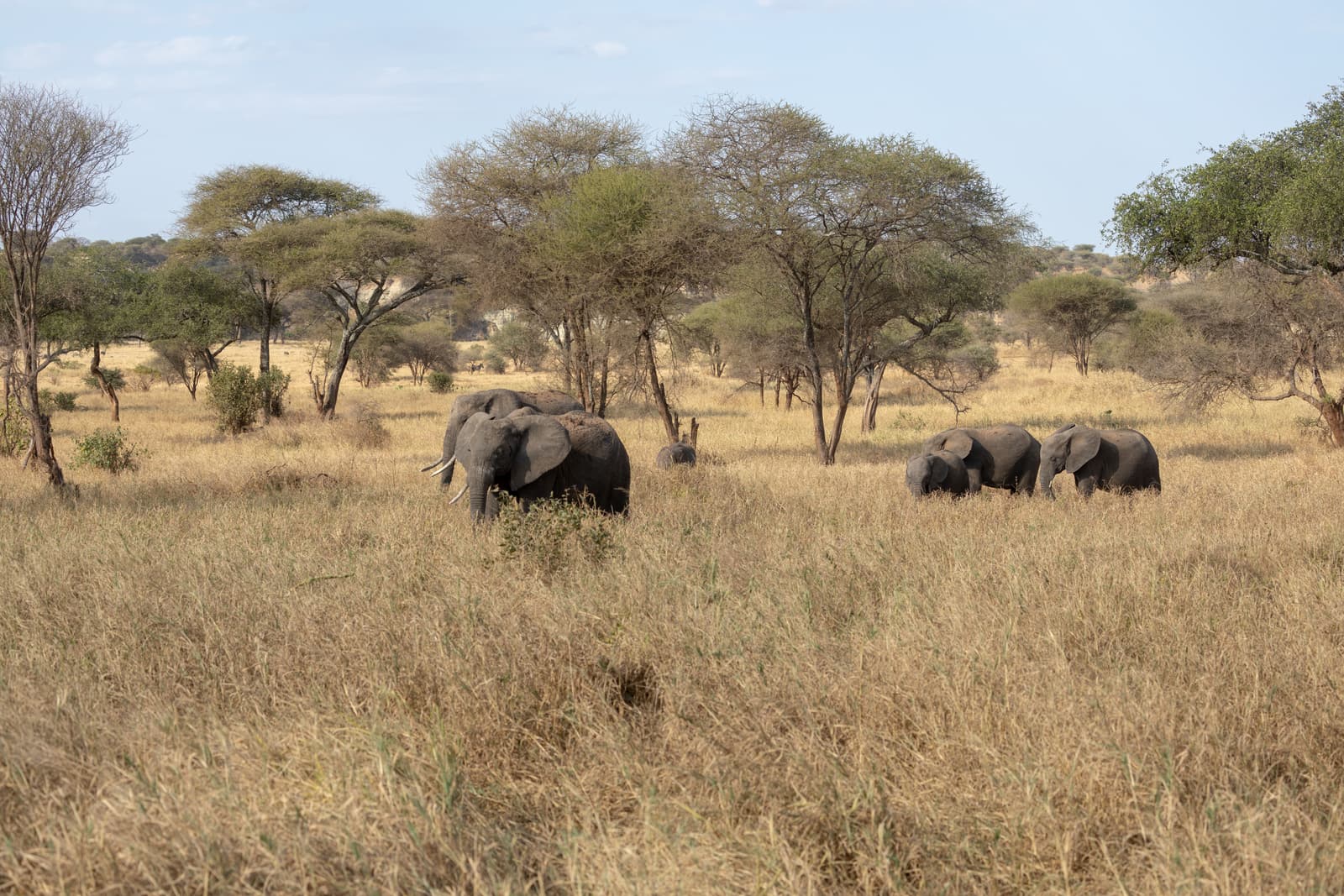
Watch elephants on the river
In the dry season, follow the river loops and wait where the herds come down to drink and dig in the sandy bed for water. Few places in East Africa let you sit so close to so many elephants for so long.
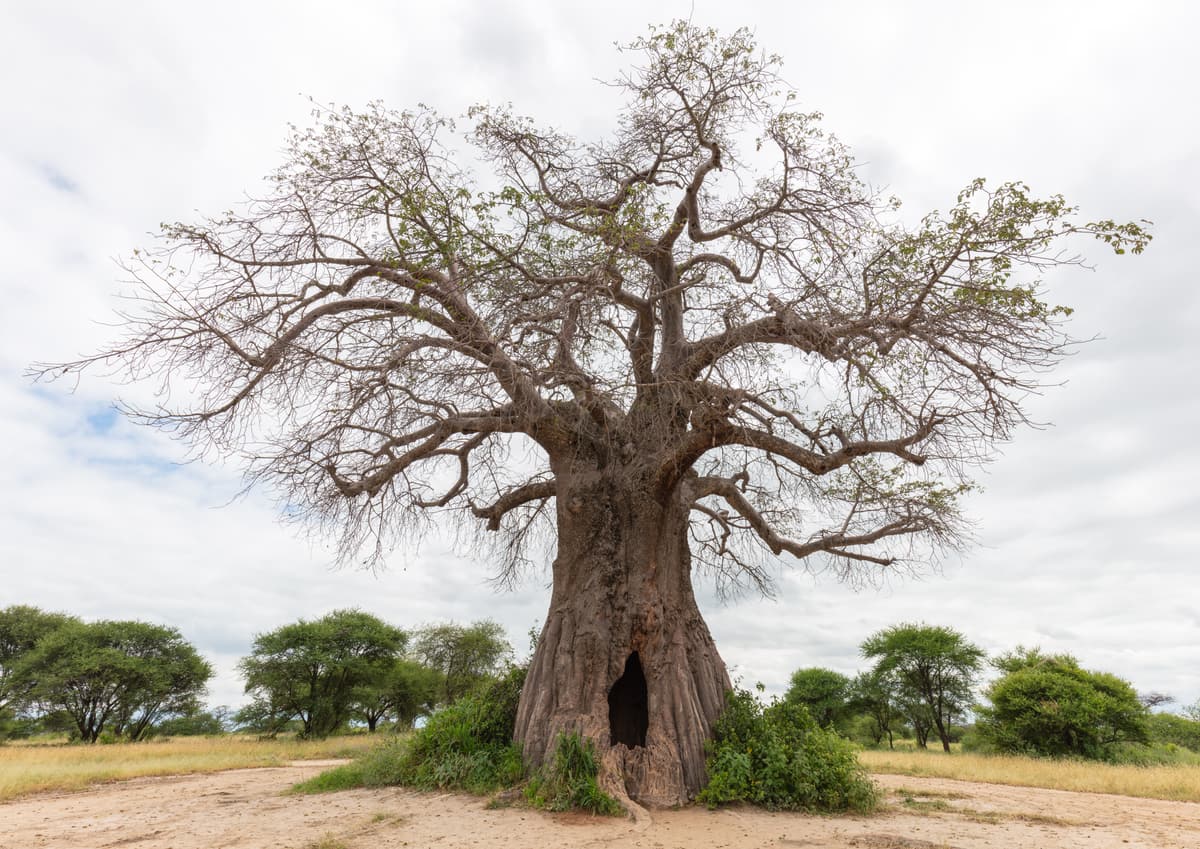
Photograph the baobabs
Tarangire’s baobabs are among the largest in Tanzania, some of them many centuries old. Elephants strip their bark for moisture, leaving the scarred trunks that make the park’s signature image.
Look for the dry-country specials
Tarangire is the best park on the northern circuit for fringe-eared oryx and gerenuk, both scarce, and for lesser kudu. Lions are common, leopards are seen fairly regularly, and more than 500 bird species have been recorded.
Explore the Silale swamps
In the south of the park, seasonal swamps stay green deep into the dry season and attract elephants, buffalo and big pythons. They are quieter than the northern river circuit and need a full day.
How to get to Tarangire National Park
- About 120 km from Arusha; the drive to the main gate takes two to two and a half hours, mostly on tarmac.
- Kuro airstrip inside the park has scheduled light-aircraft flights.
- Tarangire is the standard first day of a two-day or longer safari that continues to Karatu and the Ngorongoro Crater.
Insider tips
- Tsetse flies are present in some wooded areas. Wear light-coloured, long-sleeved clothing and avoid dark blue and black.
- In the wet months, roughly November to May, many animals disperse outside the park. It is green and beautiful, with good birding, but game is thinner.
- A day trip from Arusha works, but staying a night nearby gives you the early morning, which is the best time.
Best tours & safaris: Tarangire National Park
These experiences are the easiest way to see Tarangire National Park:
Day trip from €281 Arusha: Tarangire National Park Day Safari
A day safari to Tarangire, the closest of the big northern parks to Arusha. In the dry season elephants gather along the Tarangire River in large numbers, and the baobab-dotted landscape looks nothing like the crater. A good first or last day around a Ngorongoro trip.
- Elephant herds along the Tarangire River
- Giant baobabs
- Roughly two to two and a half hours from Arusha
 Multi-day safari from €330
Arusha: 2-Day Tarangire & Ngorongoro Crater Big Five Safari
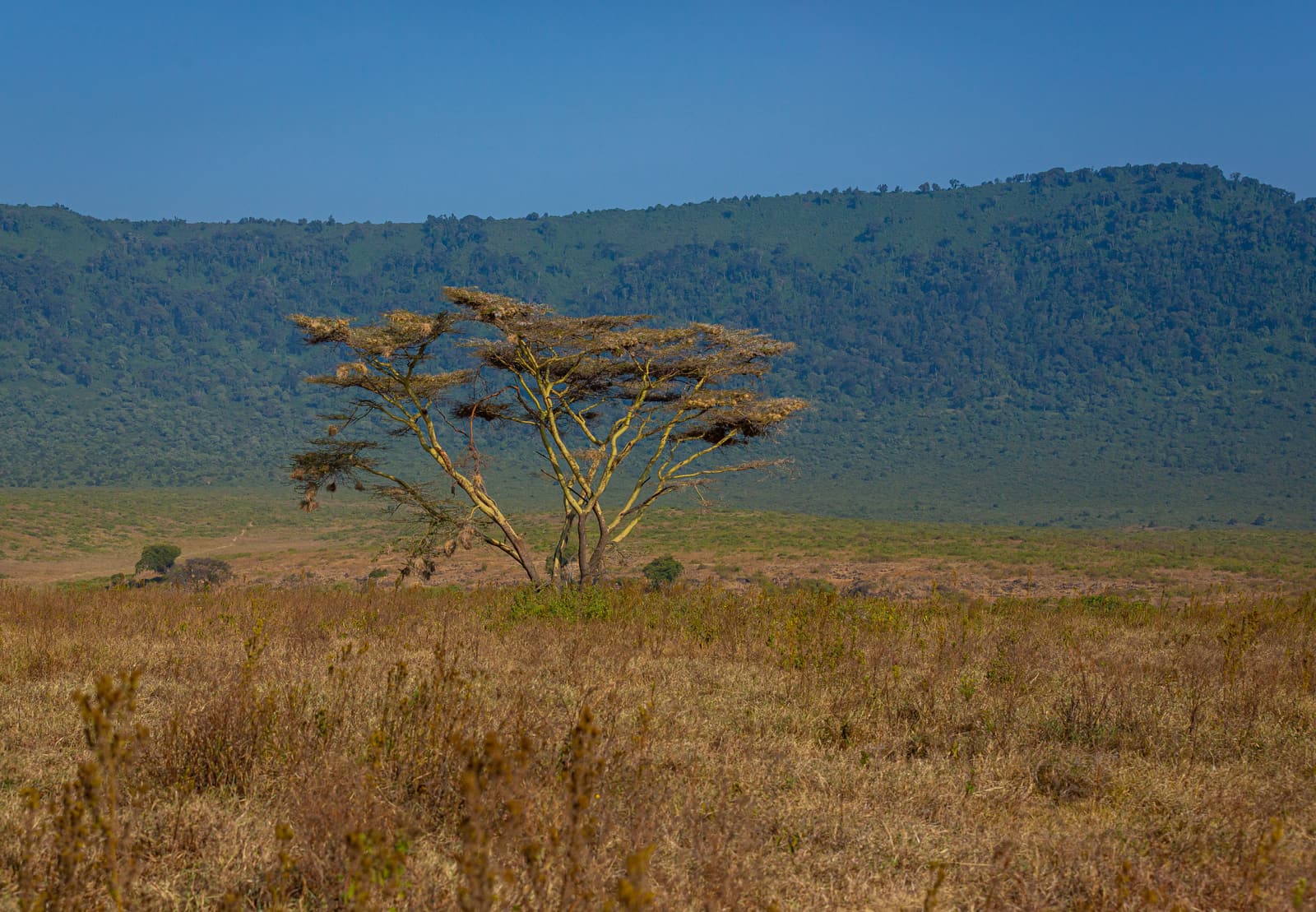
Two parks, one night. Day one is Tarangire National Park, famous for elephants and baobabs; you sleep in the Karatu area and descend into the Ngorongoro Crater early on day two. The overnight near the gate turns the crater from a rushed day trip into a relaxed morning game drive.
- Tarangire’s elephants on day one
- Overnight near Karatu, early crater descent
- Often the best-value way to see the crater
 Multi-day safari from €446
Arusha: 2-Day Tarangire and Ngorongoro Crater Safari
A second, well-reviewed take on the two-day Tarangire and Ngorongoro combination. The structure is the same — Tarangire, an overnight, then the crater — so choose between them on accommodation standard, group size and what the price covers.
- Tarangire game drive on day one
- Overnight between the parks
- Crater descent on day two
 Multi-day safari from €535
Arusha: 4-Day Tarangire, Serengeti & Ngorongoro Safari
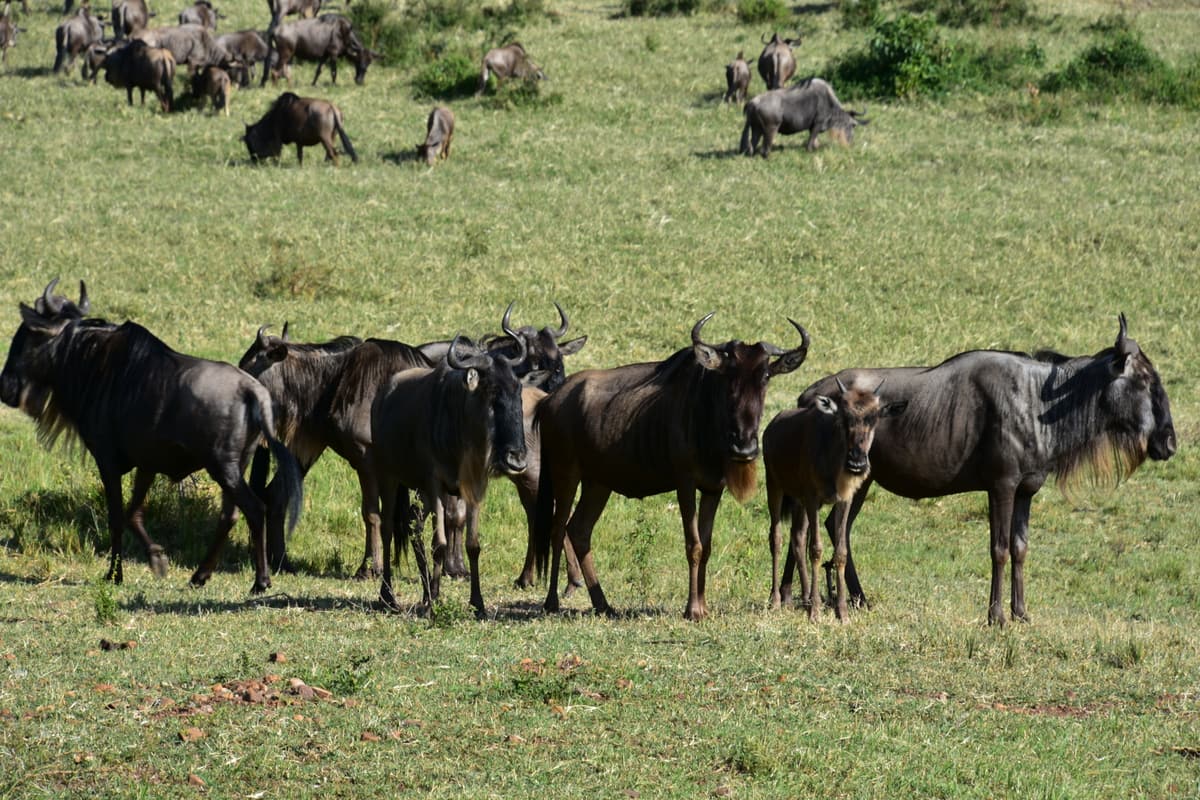
A flexible northern-circuit loop that can run from two to four days: Tarangire first, then the Serengeti, then the Ngorongoro Crater on the way back to Arusha. The four-day version gives the Serengeti the time it needs and is a sensible minimum for a first safari.
- Three parks in one loop
- Flexible length from two to four days
- Well reviewed for its price