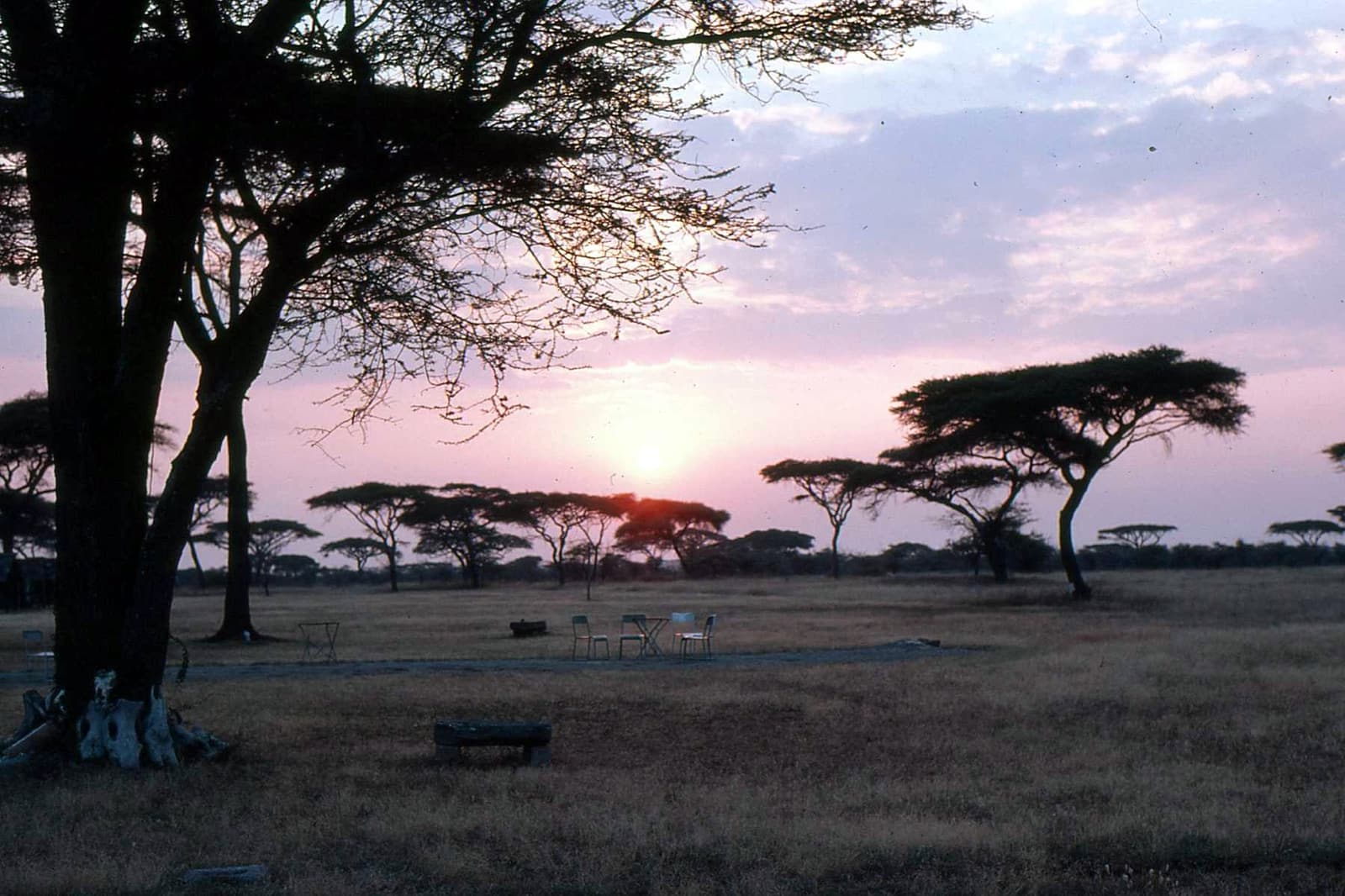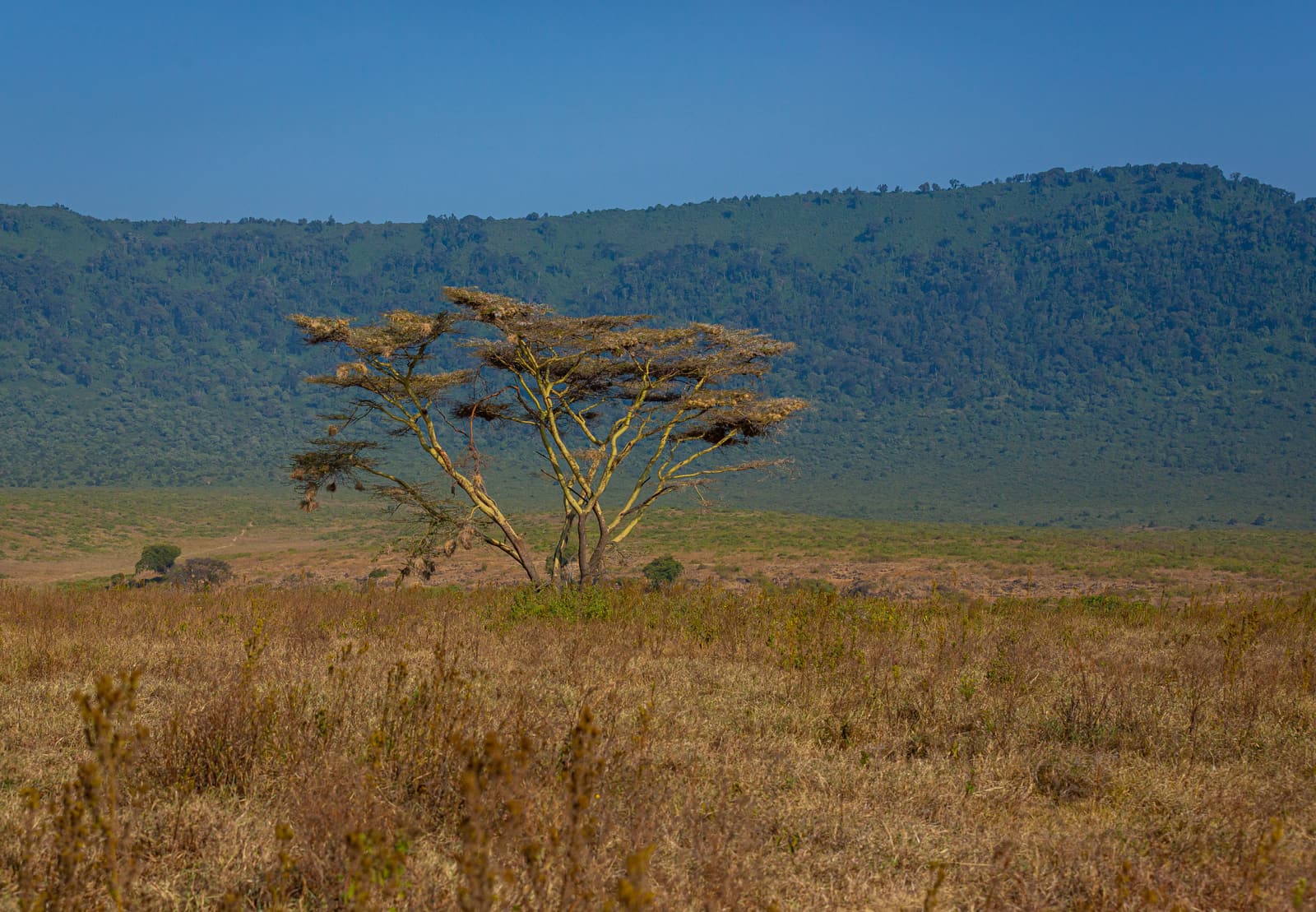
The Ngorongoro Crater is easy to enjoy and surprisingly complicated to plan: a conservation area rather than a national park, fees charged per person and per vehicle, a time limit on the crater floor and a choice of where to sleep that changes the whole day. This guide takes it step by step.
Ngorongoro in brief
The Ngorongoro Conservation Area (NCA) was separated from Serengeti National Park in 1959 as an experiment in multiple land use: wildlife conservation alongside Maasai pastoralism. It covers about 8,300 square kilometres and is managed by the Ngorongoro Conservation Area Authority (NCAA), not by the national-parks authority. UNESCO listed it as a natural World Heritage Site in 1979 and added cultural status in 2010 for the evidence of human evolution at Olduvai and Laetoli.
The crater itself formed when a large volcano collapsed some two to three million years ago. The floor lies at roughly 1,800 metres above sea level and the rim at about 2,200 to 2,400 metres.
The crater game drive: how it works
- Vehicles only. You explore the floor in a closed 4x4 with a pop-up roof. Walking is not allowed except at the picnic sites.
- One way down, another up. Most vehicles descend by the Seneto road in the west and leave by the Lerai road in the south. The eastern Lemala road is used in both directions.
- The six-hour limit. Each crater permit allows roughly six hours on the floor. This rule keeps traffic down and is why crater visits are sold as half-day game drives.
- Daylight only. Gates open around 6 am. Last descents are in mid-afternoon and all vehicles must be out by about 6 pm.
- Stay on the tracks. Off-road driving is prohibited on the crater floor, so some sightings — rhino especially — are distant.
Best time of day: as early as possible. Predators are active, the light is soft and the convoys from Arusha have not yet arrived. Cloud often sits on the rim at dawn, but the floor below is usually clear. By late morning the animals rest and the picnic sites fill up.
What you will see
About 25,000 large mammals live on the floor. Wildebeest, zebra, buffalo and Thomson’s and Grant’s gazelles are everywhere. The crater has one of the densest lion populations in Africa and large clans of spotted hyena. Elephants here are mostly old bulls, often around Lerai Forest and the swamps. Hippos fill the pools at Ngoitokitok and Mandusi. Black rhino are few and usually seen far off. Cheetah and serval appear occasionally; leopard rarely. Birds include flamingos on Lake Magadi, crowned cranes, kori bustards and ostriches.
What you will not see on the floor: giraffe, impala and — most of the time — breeding herds of elephants.
Fees — and why the crater is expensive
Ngorongoro is one of the most expensive wildlife areas in Africa to enter. The main charges, for non-resident visitors at the time of writing, are approximately:
| Fee | Approximate amount | Charged |
|---|---|---|
| Conservation-area entry (adult) | around US$70 | per person, per 24 hours |
| Conservation-area entry (child 5–15) | around US$24 | per person, per 24 hours |
| Crater service fee | around US$295 | per vehicle, per descent |
| Vehicle entry | varies with vehicle weight and registration | per vehicle |
| Concession / camping fee | roughly US$35–70 | per person per night inside the NCA |
| Olduvai museum, walking rangers, cultural bomas | separate, smaller fees | per person or per group |
 Inside the Ngorongoro Conservation Area
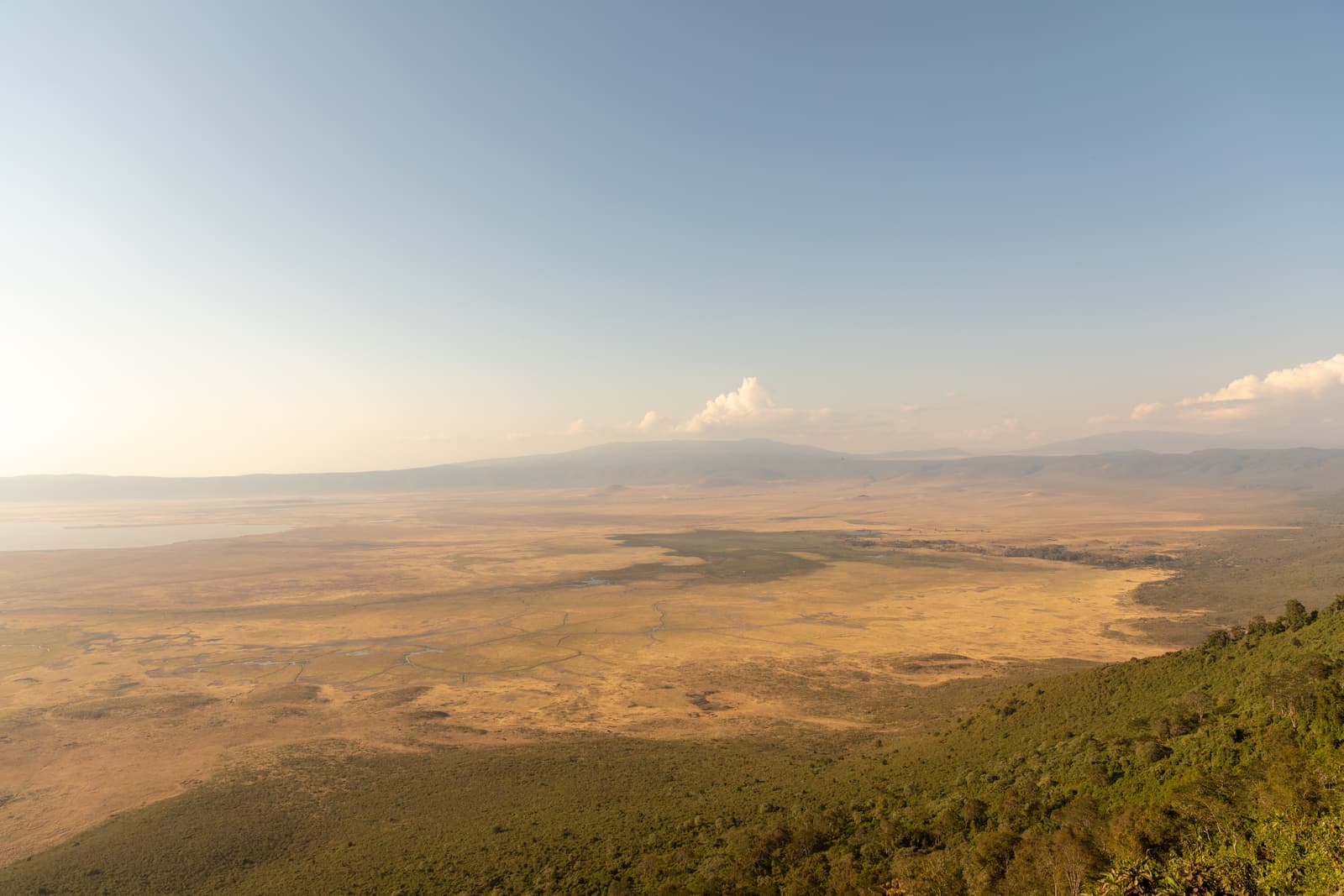
Ngorongoro Crater
The Big Five on one crater floor
The world’s largest intact, unflooded volcanic caldera: a bowl roughly 19 km across with walls about 600 m high and around 25,000 large animals living on its floor. Lions, elephants, buffalo, hippos, flamingos and a small, closely guarded population of black rhino share about 260 square kilometres of grassland, swamp, forest and soda lake.
 Inside the Ngorongoro Conservation Area
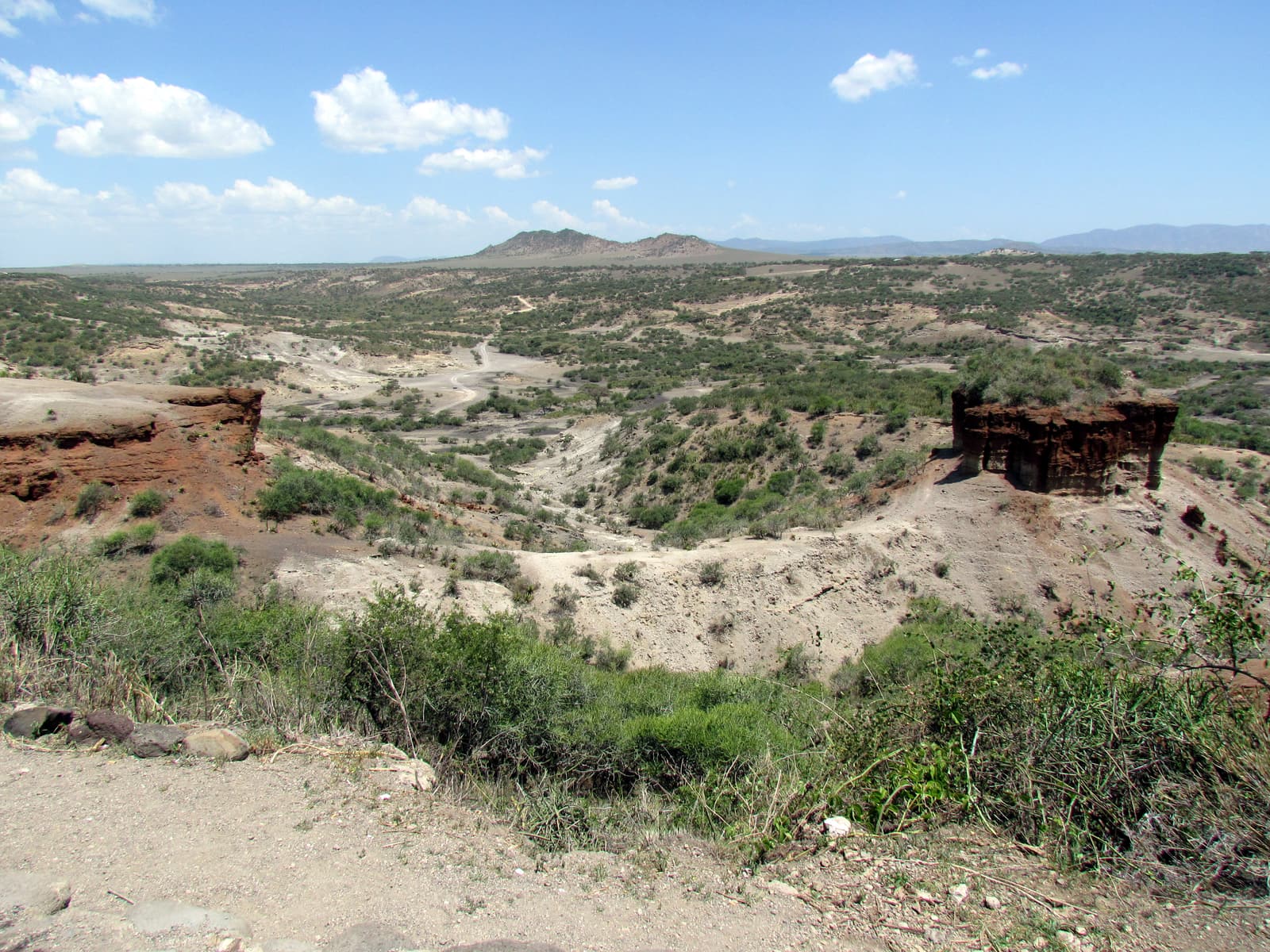
Olduvai Gorge
Oldupai, Laetoli and the shifting sands
A dry ravine cut into the plains between the crater and the Serengeti, and one of the most important sites in the study of human origins. The Leakey family’s finds here, the 3.6-million-year-old footprints at nearby Laetoli and a small, well-made museum make it the classic stop on the drive west.
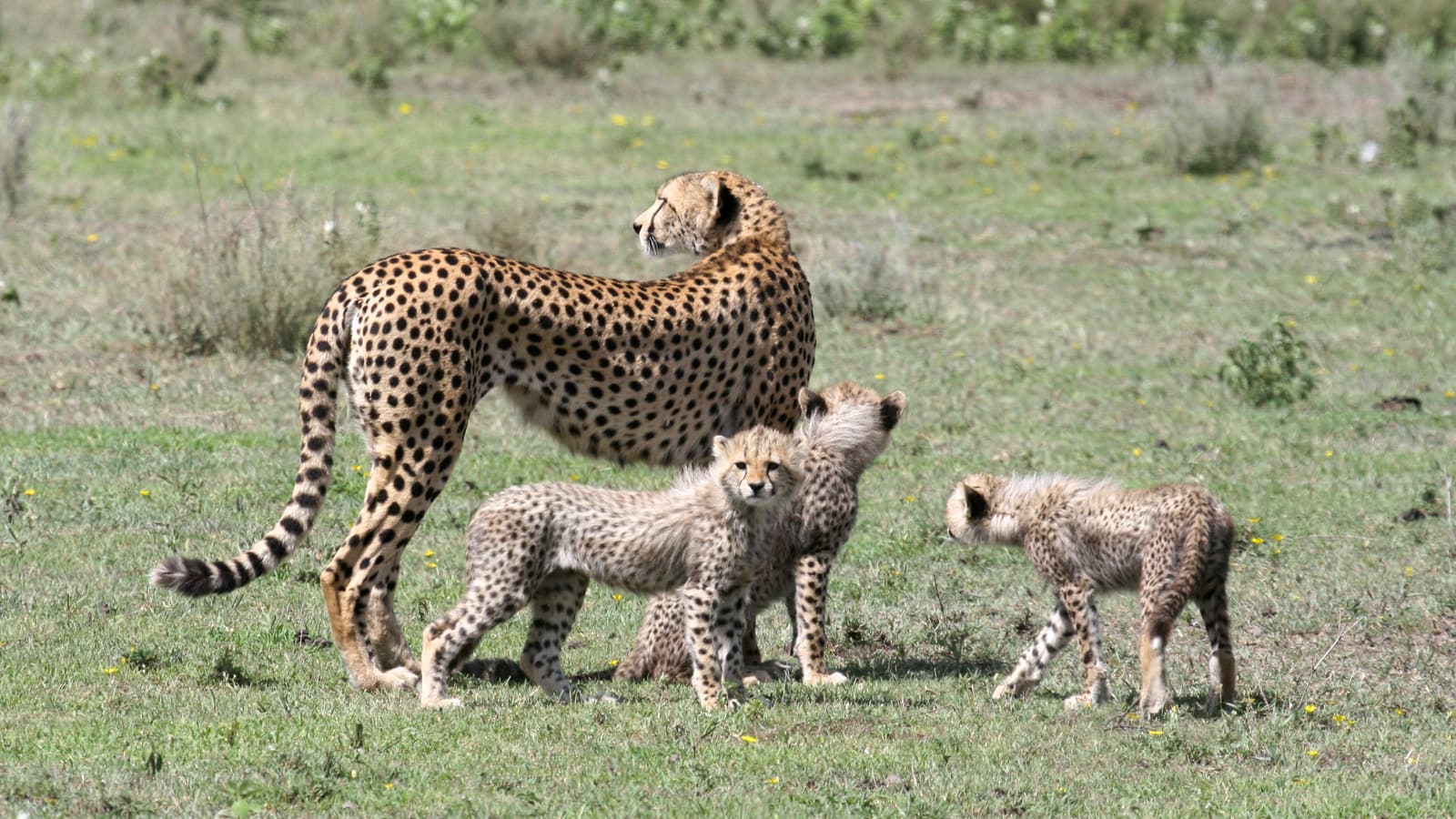 Inside the Ngorongoro Conservation Area
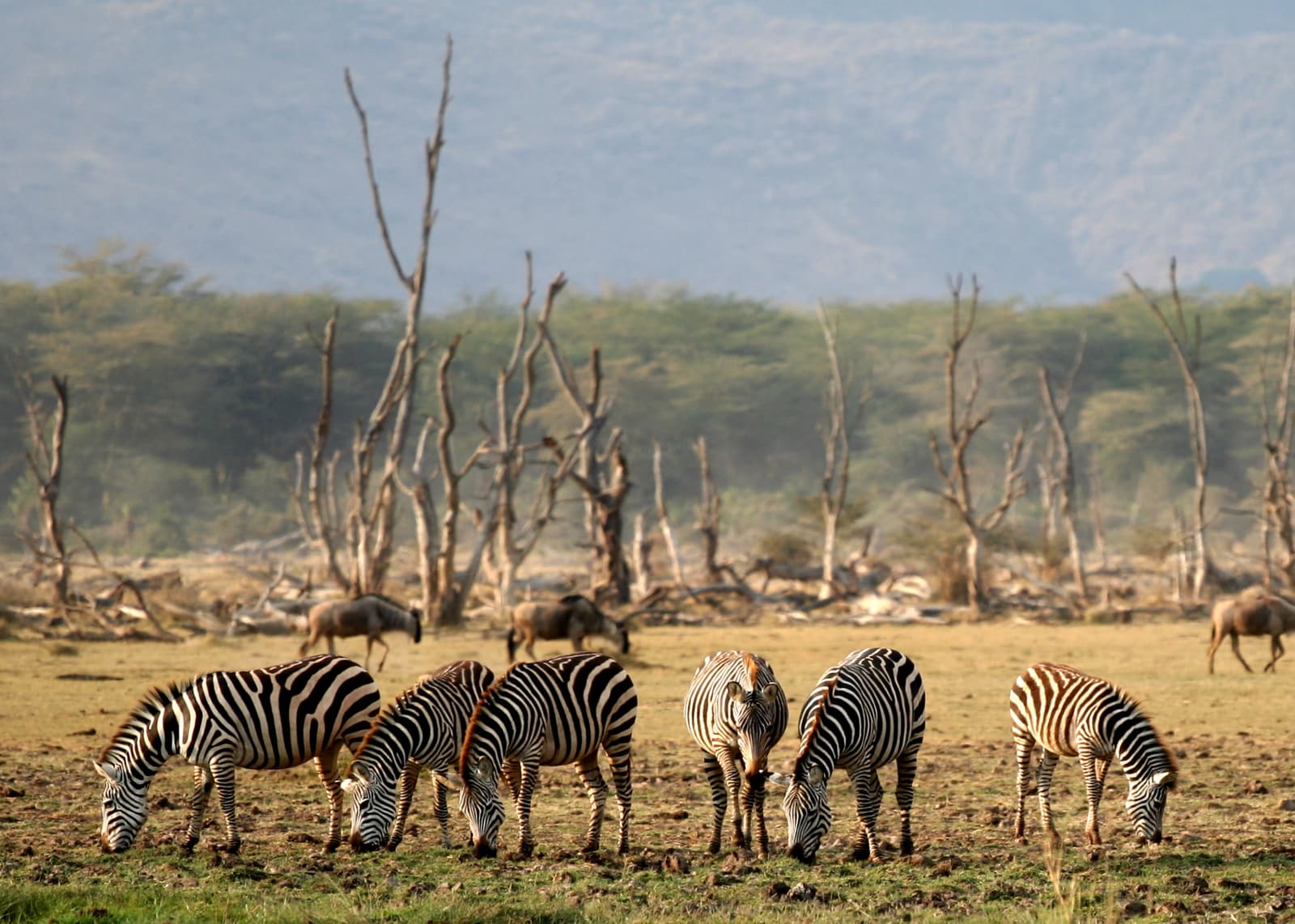 Karatu & the Rift Valley lakes
Lake Manyara National Park
Forest, flamingos and the Rift wall
A compact park squeezed between the Rift Valley escarpment and a shallow soda lake, on the road from Arusha to Ngorongoro. Groundwater forest, big baboon troops, elephants, hippos and rich birdlife make it an easy half-day or full-day game drive.
Amounts include VAT as usually quoted, are rounded, and change from time to time — confirm with the NCAA’s current tariff or ask your operator for an itemised quote. Fees are paid electronically in advance or by card; cash is not accepted at the gates.
Three things follow. First, a couple in a private vehicle pays well over US$400 in fees for a single crater morning before paying for the car, guide, fuel or lodge. Second, because the crater fee is per vehicle, sharing a car cuts the cost per person sharply. Third, the 24-hour entry permit means a well-timed itinerary — for example entering at midday, sleeping on the rim and visiting the crater the next morning — pays the entry fee once rather than twice. Good operators plan around this.
People of Ngorongoro: the Maasai and the conservation area
Unlike in a national park, people live in the NCA. Maasai pastoralists graze cattle, goats and sheep across the highlands and were for many years allowed to water them in the crater. You will see herders in red and blue shukas along the road and circular homesteads — bomas — on the slopes.
Visiting a cultural boma. Several bomas near the main road receive visitors for a fee, typically paid per person or per vehicle in cash at the village. A visit usually includes a welcome dance, a look inside a house and a craft market. Experiences vary: some travellers find them moving, others staged and sales-driven. If you go, ask your guide which village benefits directly, agree the price beforehand, ask before photographing people, and buy crafts only if you want them. A longer village visit from Arusha is often more relaxed.
The relocation debate. The resident population has grown many times over since 1959, and the Tanzanian government has in recent years promoted a programme to resettle NCA residents elsewhere in the country, notably at Msomera in the Tanga region, describing it as voluntary and necessary to protect the ecosystem. Many Maasai residents and a number of human-rights organisations dispute this, saying that restrictions on services and livelihoods amount to pressure to leave ancestral land. The issue is contested and still developing; travellers who want to understand it should read reporting from several perspectives.
Sample northern-circuit itineraries
3 days: the highlights
- Day 1: Arusha → Tarangire game drive → overnight Karatu.
- Day 2: Early crater descent → afternoon coffee walk or rest in Karatu.
- Day 3: Lake Manyara game drive → return to Arusha.
Alternatively, a three-day Serengeti-and-crater safari swaps Tarangire and Manyara for one night in the Serengeti — more famous, but with much more driving.
5 days: add the Serengeti
- Day 1: Arusha → Tarangire → Karatu.
- Day 2: Karatu → Olduvai Gorge → central Serengeti.
- Day 3: Full day in the Serengeti.
- Day 4: Morning game drive → drive to the crater rim or Karatu.
- Day 5: Early crater descent → return to Arusha.
7 days: the unhurried circuit
- Days 1–2: Tarangire, with a night in or near the park.
- Day 3: Lake Manyara → Karatu.
- Days 4–5: Serengeti — or Ndutu from December to March.
- Day 6: Serengeti → Olduvai → crater rim; optional walk at Olmoti.
- Day 7: Crater descent → Arusha.
With more time, add Empakaai, Lake Eyasi or a flight back from the Serengeti. Compare ready-made versions on the tours page.
Budget camping, mid-range or luxury?
- Budget camping — dome tents on public campsites (including Simba campsite on the crater rim), a cook, shared facilities and usually a shared vehicle. As a very rough guide, around US$200–300 per person per day, fees included.
- Mid-range — lodges and permanent tented camps with private bathrooms, usually in Karatu and the central Serengeti. Roughly US$350–600 per person per day.
- Luxury — crater-rim lodges and small, high-end camps, sometimes with internal flights. From about US$700 per person per day to well over US$1,500.
These are ballpark figures for two people sharing in a private vehicle and vary widely with season and group size. The fixed fees mean there is a floor below which a legitimate safari cannot go — be suspicious of prices far under the going rate.
How to choose a safari operator
- Licence and membership. Operators should hold a valid Tanzanian tour-operator licence (TALA); many reputable ones are members of the Tanzania Association of Tour Operators (TATO).
- An itemised quote. Ask for fees, accommodation by name, meals, water and transfers to be listed. Check that the crater service fee is included.
- The vehicle. A 4x4 with a pop-up roof, a guaranteed window seat, and no more than six or seven passengers.
- The guide. Guiding quality makes or breaks a safari. Recent reviews that mention guides by name are a good sign.
- Reviews and payment. Prefer operators with a track record on independent platforms, and pay by a method that offers some protection. Booking through a marketplace such as GetYourGuide adds a cancellation policy and customer support.
Tipping
Tipping is customary and an important part of safari staff income. Common guidelines are about US$10–20 per traveller per day for the driver-guide, a similar total per group per day for a camp cook on camping safaris, and a few dollars a day in the staff tip box at lodges. Give more for excellent service and less if it was poor. US dollars or Tanzanian shillings are both fine; hand tips over at the end of the trip.
Visas and entry
Most visitors need a visa. Tanzania runs an official e-visa system, and applying online a few weeks ahead is the recommended route; visas on arrival are also issued at Kilimanjaro Airport to many nationalities, with queues. A standard single-entry tourist visa costs around US$50 for most nationalities, and US citizens are generally issued a multiple-entry visa at around US$100. Your passport should be valid for at least six months. Rules change — check the Tanzanian immigration website or your nearest embassy before you travel, and use only the official portal.
If you are continuing to Zanzibar, check the island’s separate entry requirements, including its mandatory travel-insurance scheme for visitors.
Health: yellow fever, malaria and altitude
- Yellow fever. A vaccination certificate is required if you arrive from a country with a risk of yellow-fever transmission — which includes neighbours such as Kenya and Uganda — and may be asked for after a long airport transit in one. It is not required for travellers arriving directly from Europe or North America. Check the current rule for your exact routing.
- Malaria. Present in Tanzania, including Arusha, Lake Manyara, Tarangire and the Serengeti. The crater rim is high and cold, which lowers the risk there, but any safari passes through lower areas. Ask a travel clinic about antimalarial tablets, and use repellent and long sleeves in the evening.
- Other precautions. See a travel-health professional six to eight weeks before departure about routine vaccinations. Drink bottled or filtered water. Take out travel insurance that covers medical evacuation.
- Altitude and cold. The rim is around 2,300 m. Altitude sickness is rare at that height, but nights are cold — close to freezing in June to August — and a few people sleep poorly on the first night.
Money
The currency is the Tanzanian shilling (TZS), but safaris, lodges and park fees are priced in US dollars. Bring some dollar notes in good condition and printed in recent years — older series are often refused. Cards are accepted at larger lodges and for fees; carry shillings for tips, markets and small purchases. There are ATMs in Arusha and Karatu and none inside the conservation area.
What to pack
- Layers: a fleece or light down jacket, hat and gloves for the rim at dawn; a T-shirt for midday.
- Neutral-coloured clothing; avoid dark blue and black where tsetse flies occur (Tarangire, parts of the Serengeti).
- Binoculars — essential for rhino — and a camera with a zoom lens.
- Sun hat, sunglasses and high-factor sunscreen; a scarf or buff for dust.
- A soft bag rather than a hard suitcase, especially if you take light aircraft.
- A power bank and a UK-style three-pin (type G) adaptor.
- No plastic carrier bags: Tanzania bans them, and they can be confiscated on arrival.
Safety and etiquette
- Stay in the vehicle except at designated sites, keep your voice down near animals and never feed them.
- At rim lodges and campsites, buffalo, elephants and bush pigs wander through at night. Use the escorts provided and do not walk around alone after dark.
- Drones need permits and are not allowed for casual use in the conservation area.
- Ask before photographing people, and expect to pay if you photograph Maasai in traditional dress at the roadside.
- Carry out all litter.