Skip to content
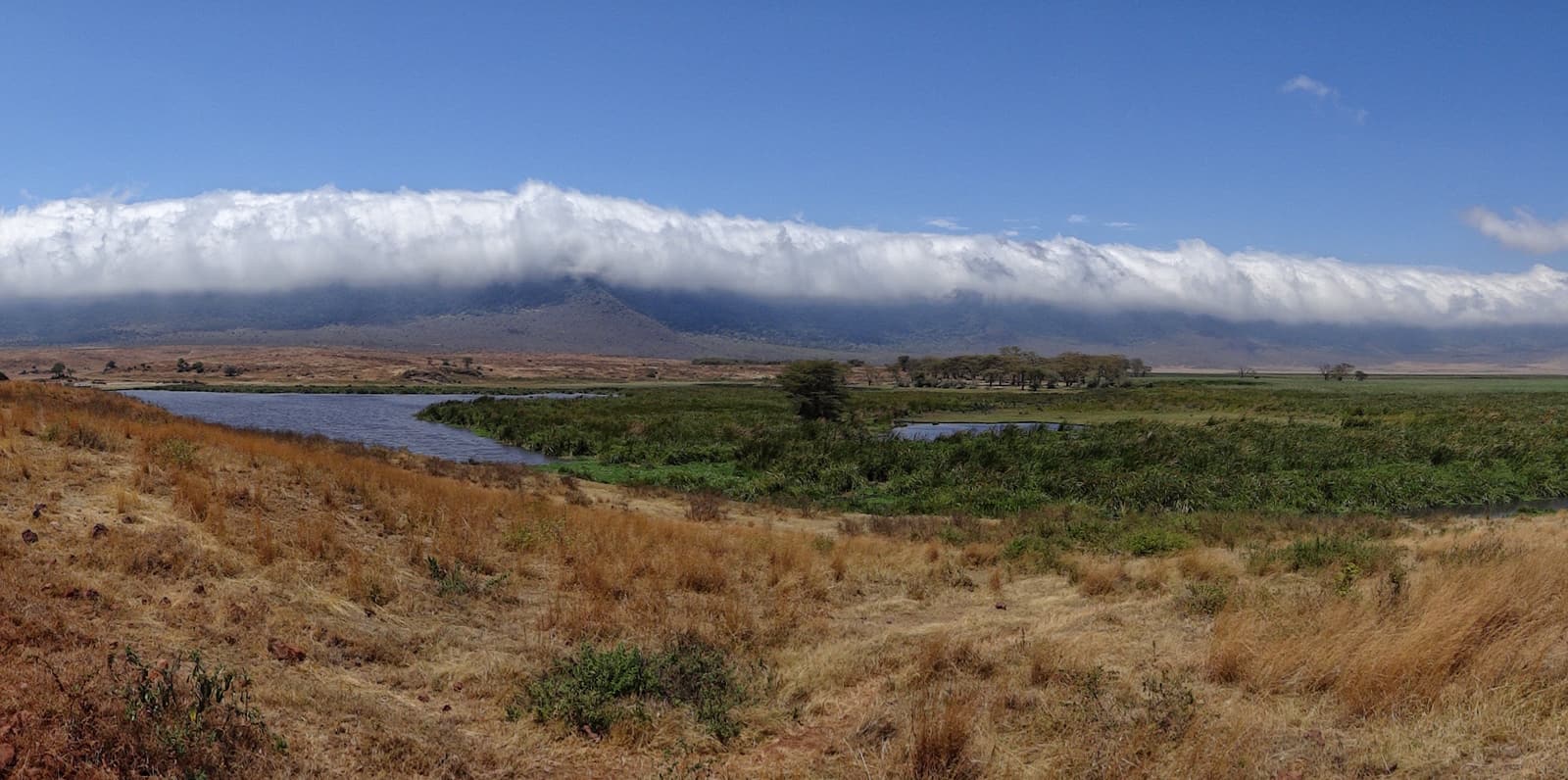
Cloud lying on the rim of the Ngorongoro Crater seen from the crater floor

Places to See around Ngorongoro

The crater is only the beginning. These are the places that make up a northern Tanzania safari.

The Ngorongoro Conservation Area covers more than 8,000 square kilometres — far more than the crater that made it famous. It takes in highland forest, two smaller craters you can walk in, the fossil beds of Olduvai and the plains where the wildebeest calve. Unlike a national park, it is also home to Maasai herders, who share the land with the wildlife.

Around it lie the other stops of Tanzania’s northern circuit: Lake Manyara and Tarangire on the way from Arusha, Lake Eyasi to the south, and the Serengeti to the west. Each guide below covers what to do, how to get there and which tours go.
Inside the Ngorongoro Conservation Area

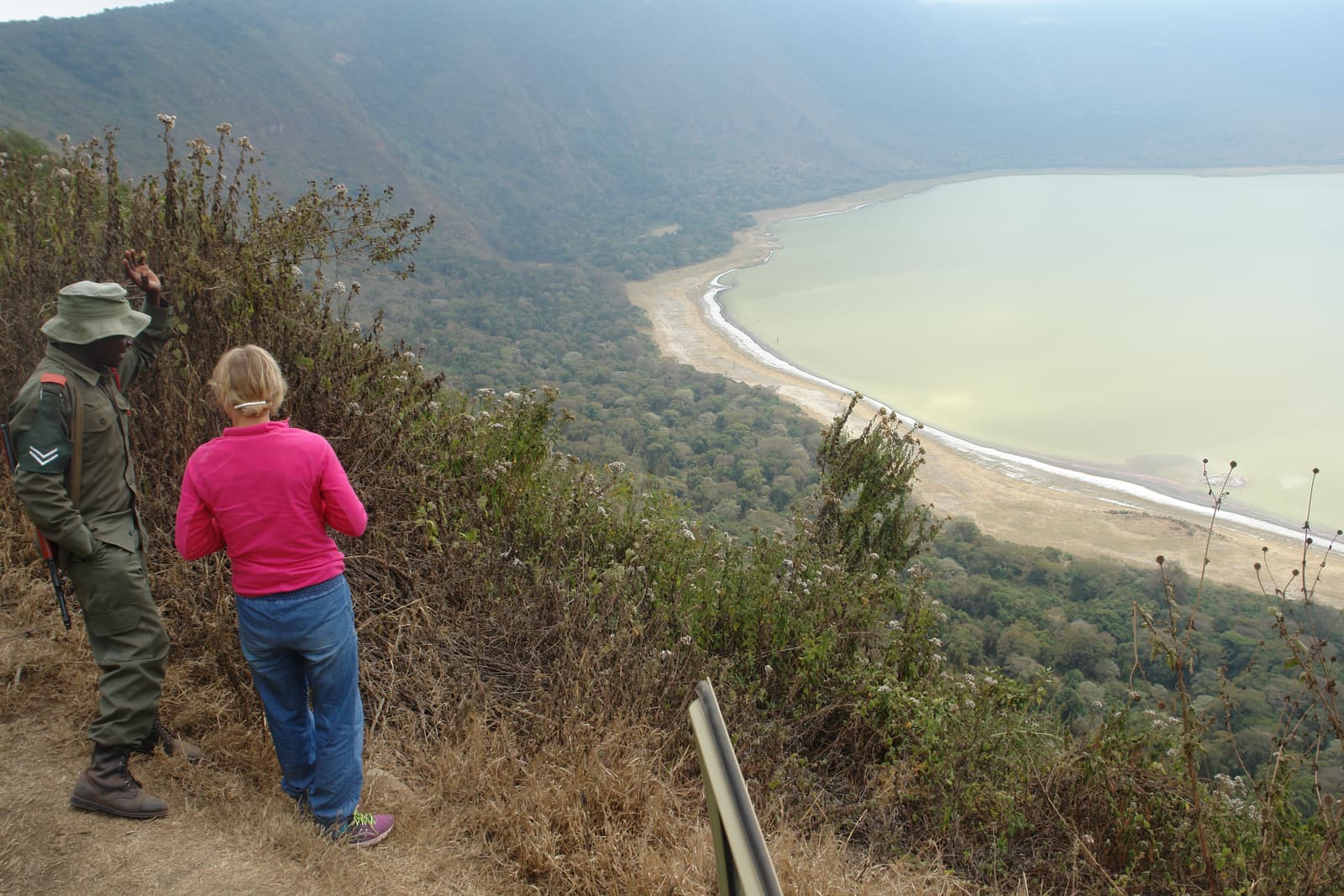
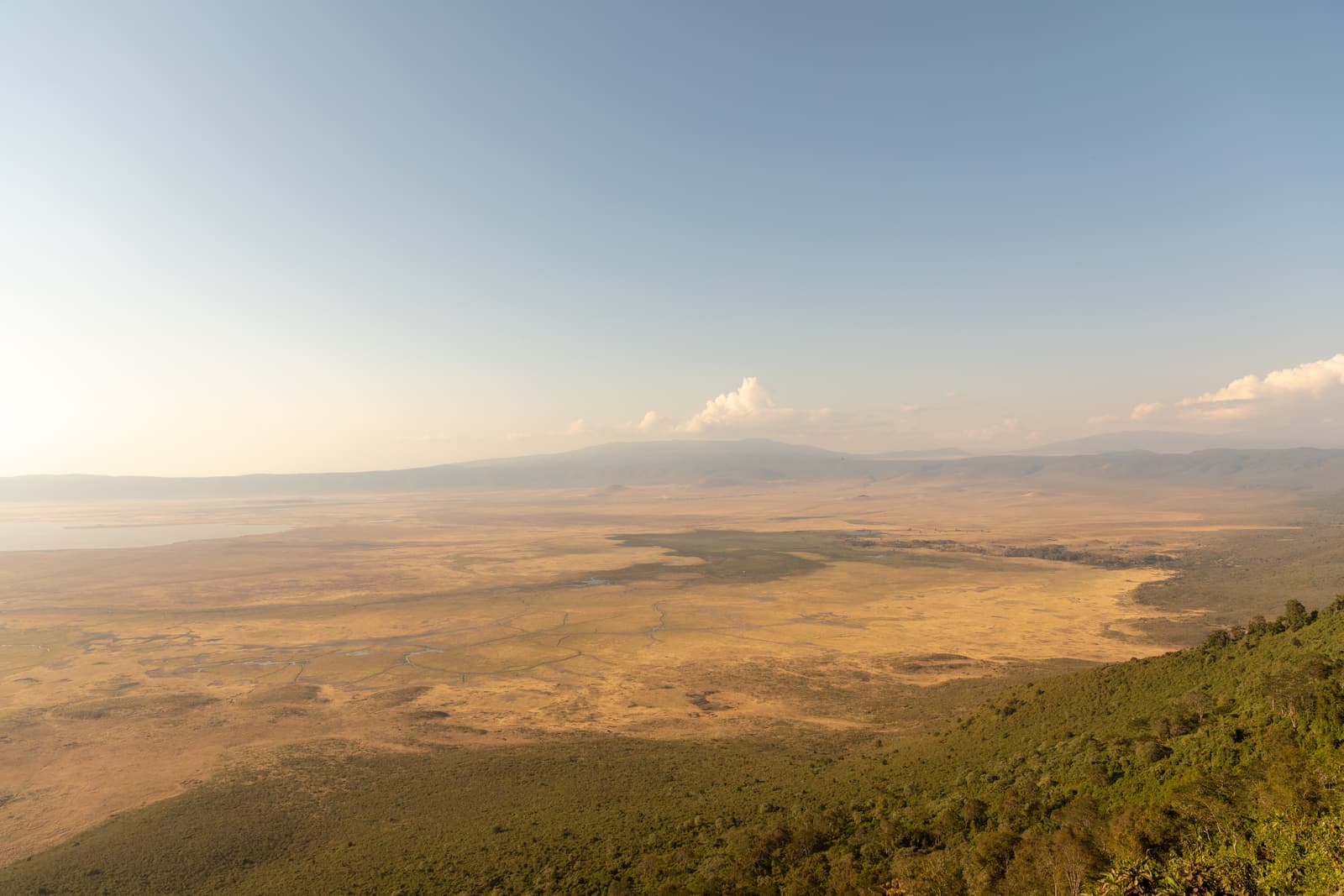
View from the rim across the floor of the Ngorongoro Crater Inside the Ngorongoro Conservation Area

Ngorongoro Crater

The Big Five on one crater floor

The world’s largest intact, unflooded volcanic caldera: a bowl roughly 19 km across with walls about 600 m high and around 25,000 large animals living on its floor. Lions, elephants, buffalo, hippos, flamingos and a small, closely guarded population of black rhino share about 260 square kilometres of grassland, swamp, forest and soda lake.

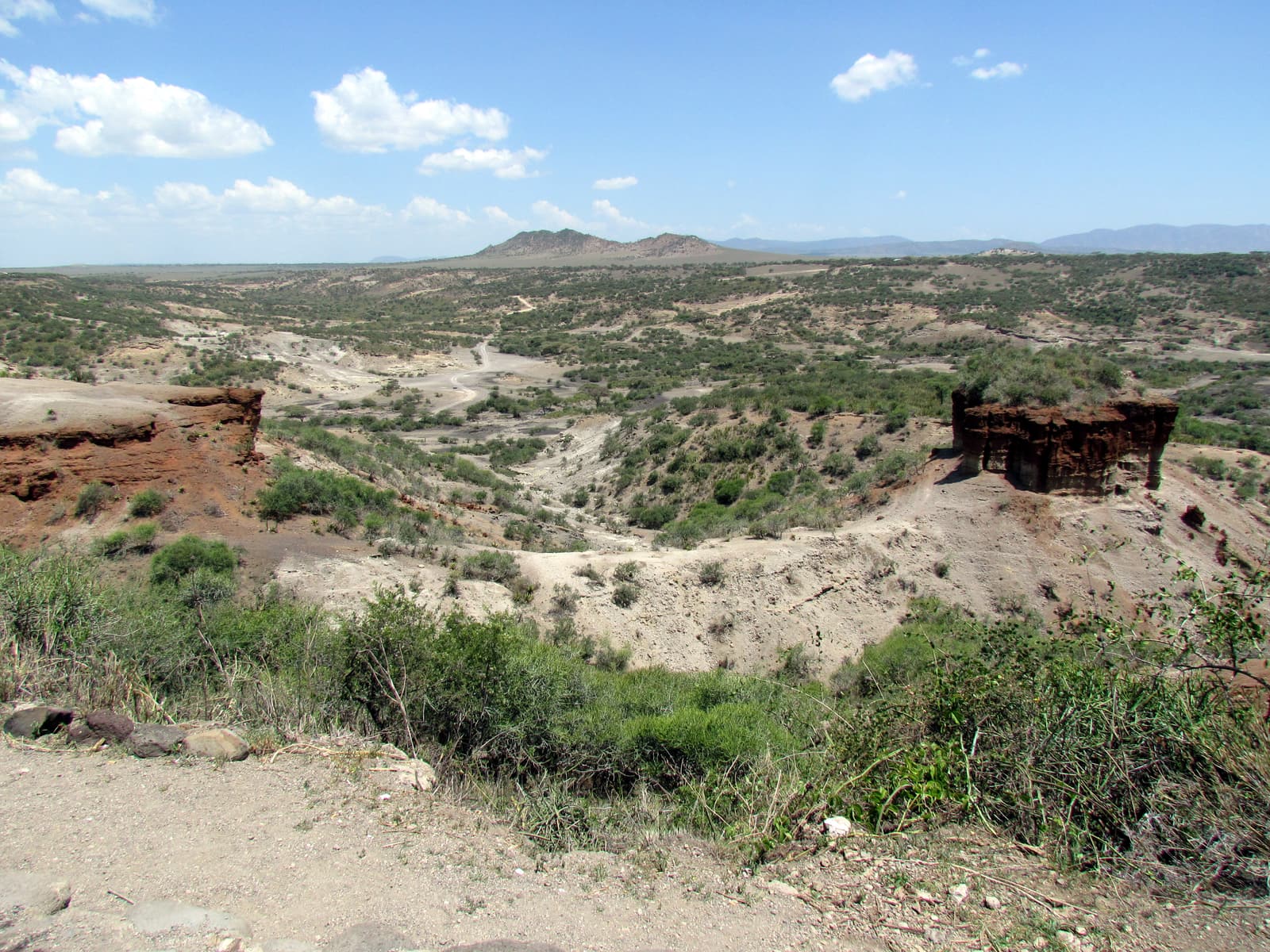
The eroded layers and rock monolith of Olduvai Gorge Inside the Ngorongoro Conservation Area

Olduvai Gorge

Oldupai, Laetoli and the shifting sands

A dry ravine cut into the plains between the crater and the Serengeti, and one of the most important sites in the study of human origins. The Leakey family’s finds here, the 3.6-million-year-old footprints at nearby Laetoli and a small, well-made museum make it the classic stop on the drive west.

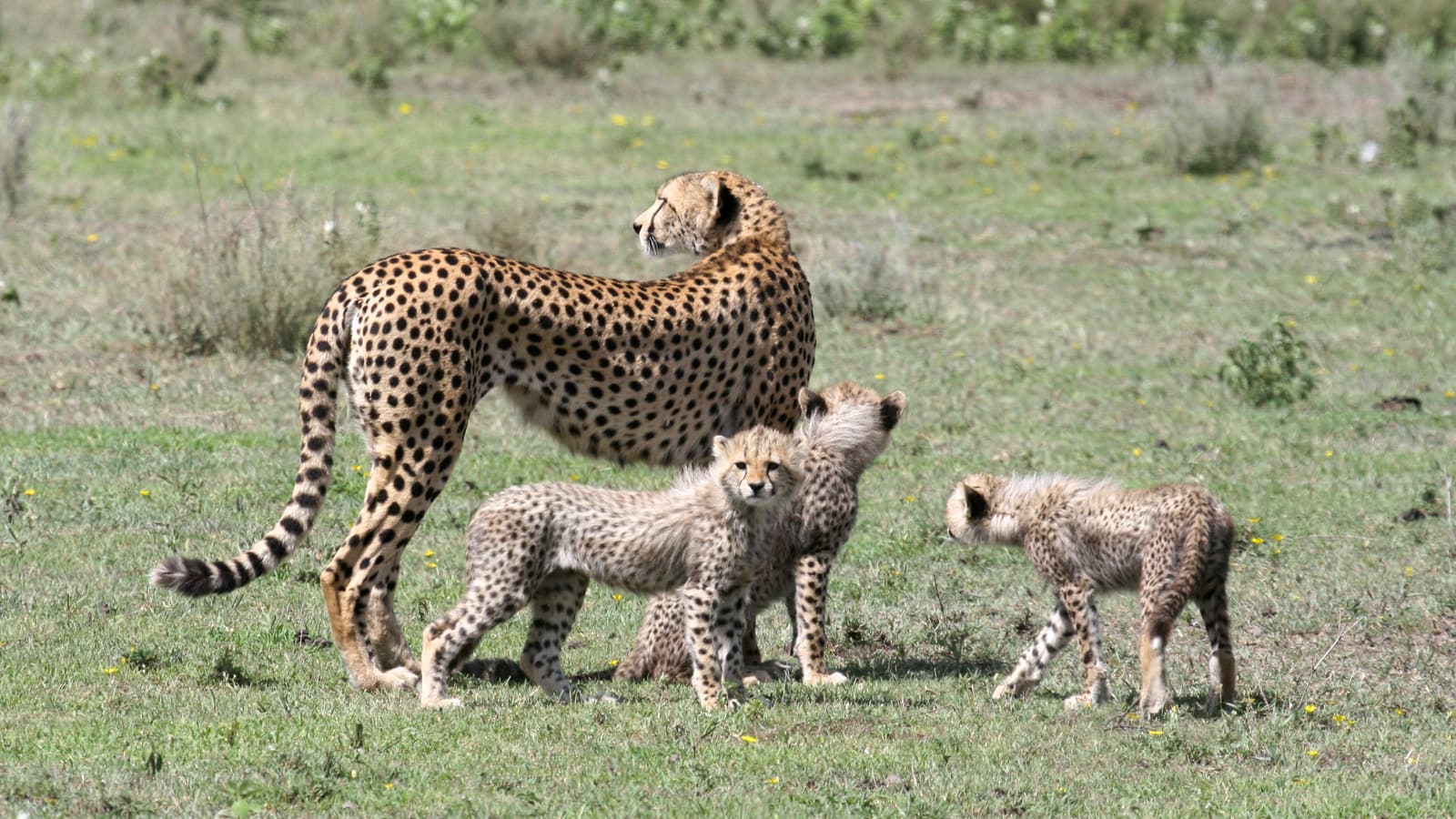
A cheetah with cubs on the plains near Ndutu Inside the Ngorongoro Conservation Area

Ndutu

Where the wildebeest are born

The woodland and short-grass plains around Lakes Ndutu and Masek, where the conservation area meets the Serengeti. From roughly December to March the Great Migration gathers here to calve, and the predators follow. Outside those months it is quiet.

Karatu & the Rift Valley lakes

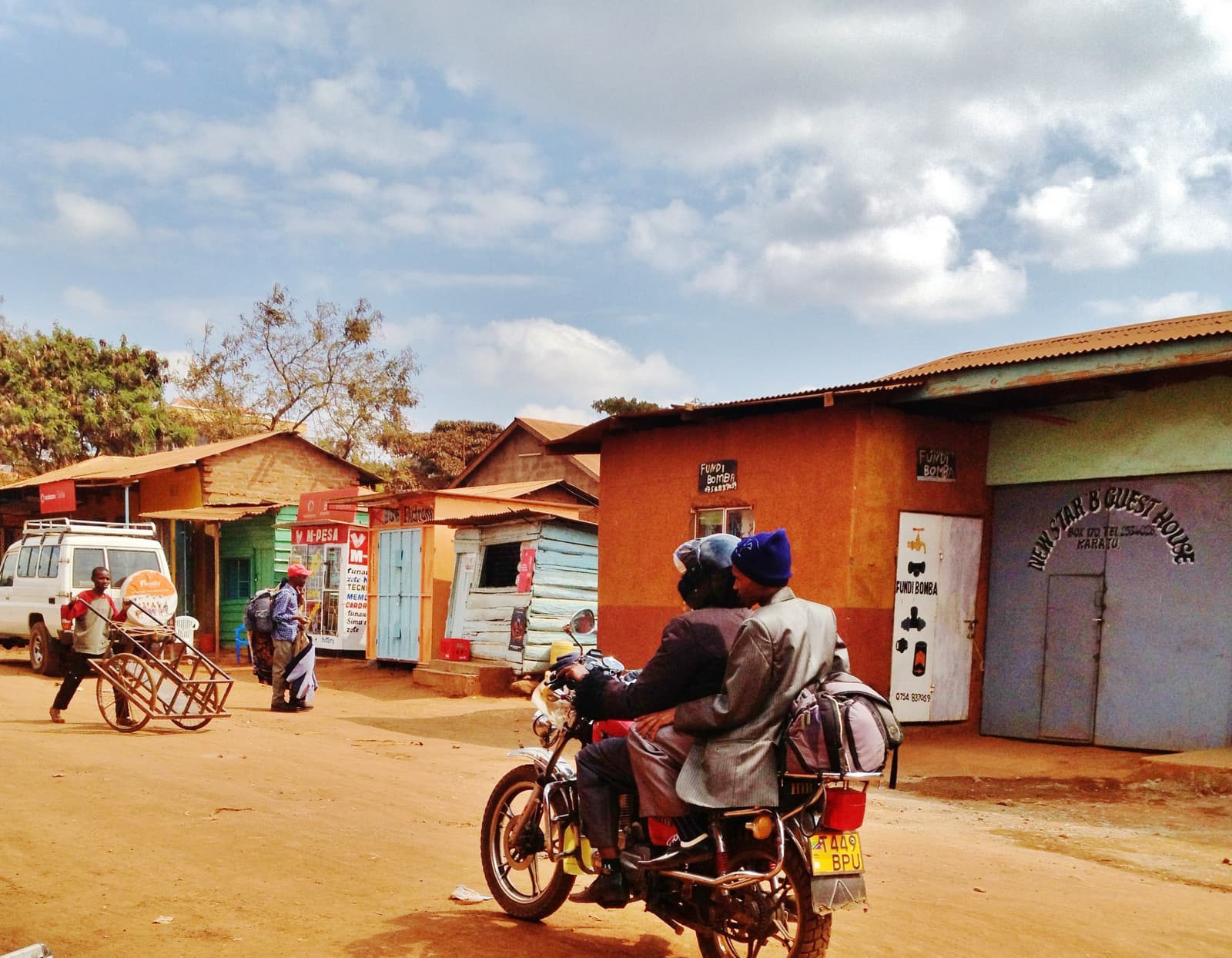
A street scene in the town of Karatu Karatu & the Rift Valley lakes

Karatu

The crater’s gateway town

A busy highland farming town about 20 to 30 minutes’ drive from the conservation area’s main gate. Its coffee-farm lodges and tented camps cost far less than a room on the crater rim, which makes Karatu the base most safaris use for a Ngorongoro game drive.

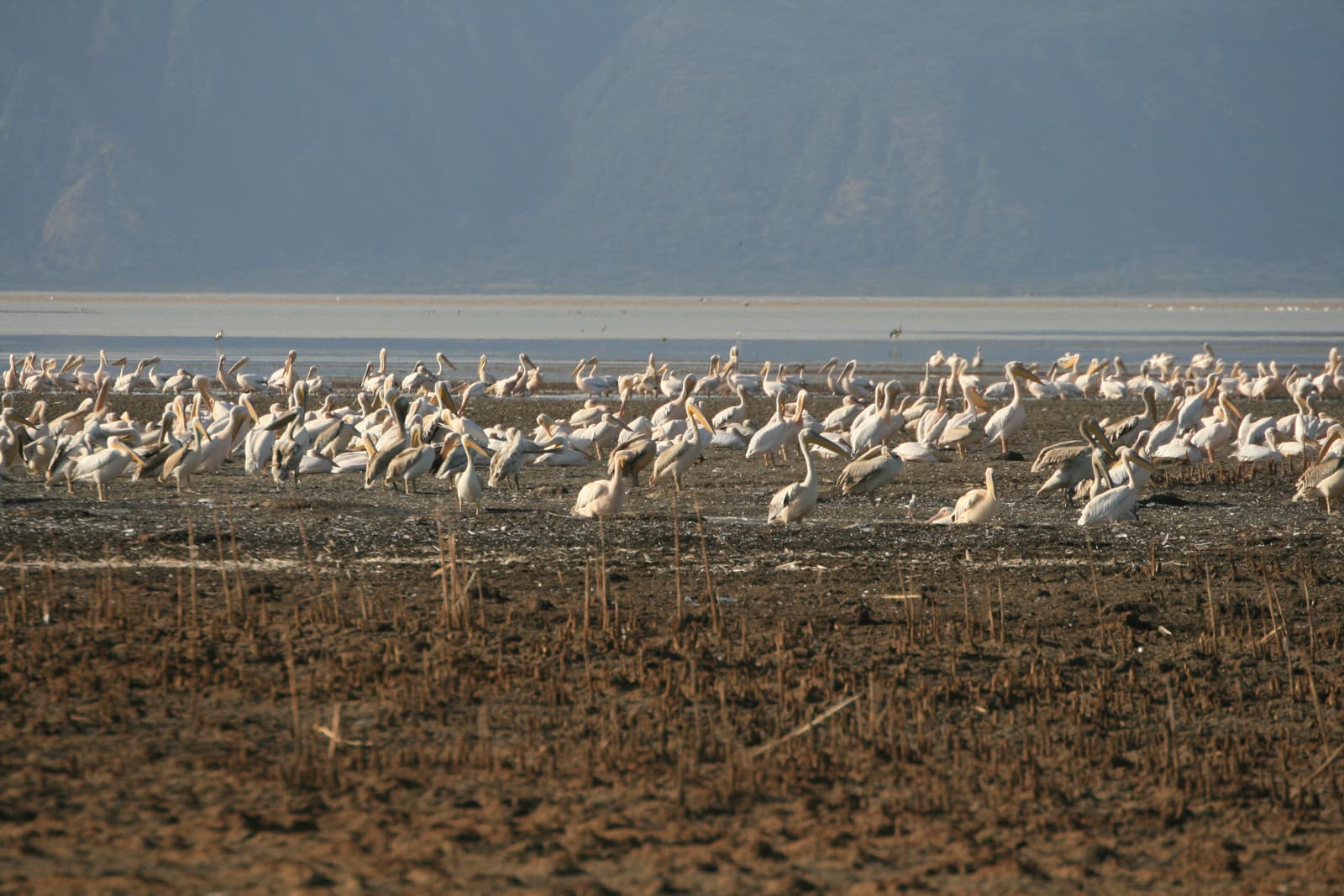
Birds on the shallow water of Lake Eyasi Karatu & the Rift Valley lakes

Lake Eyasi

Home of the Hadzabe and Datoga

A seasonal soda lake below the Rift Valley escarpment, south-west of Karatu. People come here less for wildlife than to spend time with the Hadzabe, among the last hunter-gatherers in East Africa, and their neighbours the Datoga, who are herders and blacksmiths.

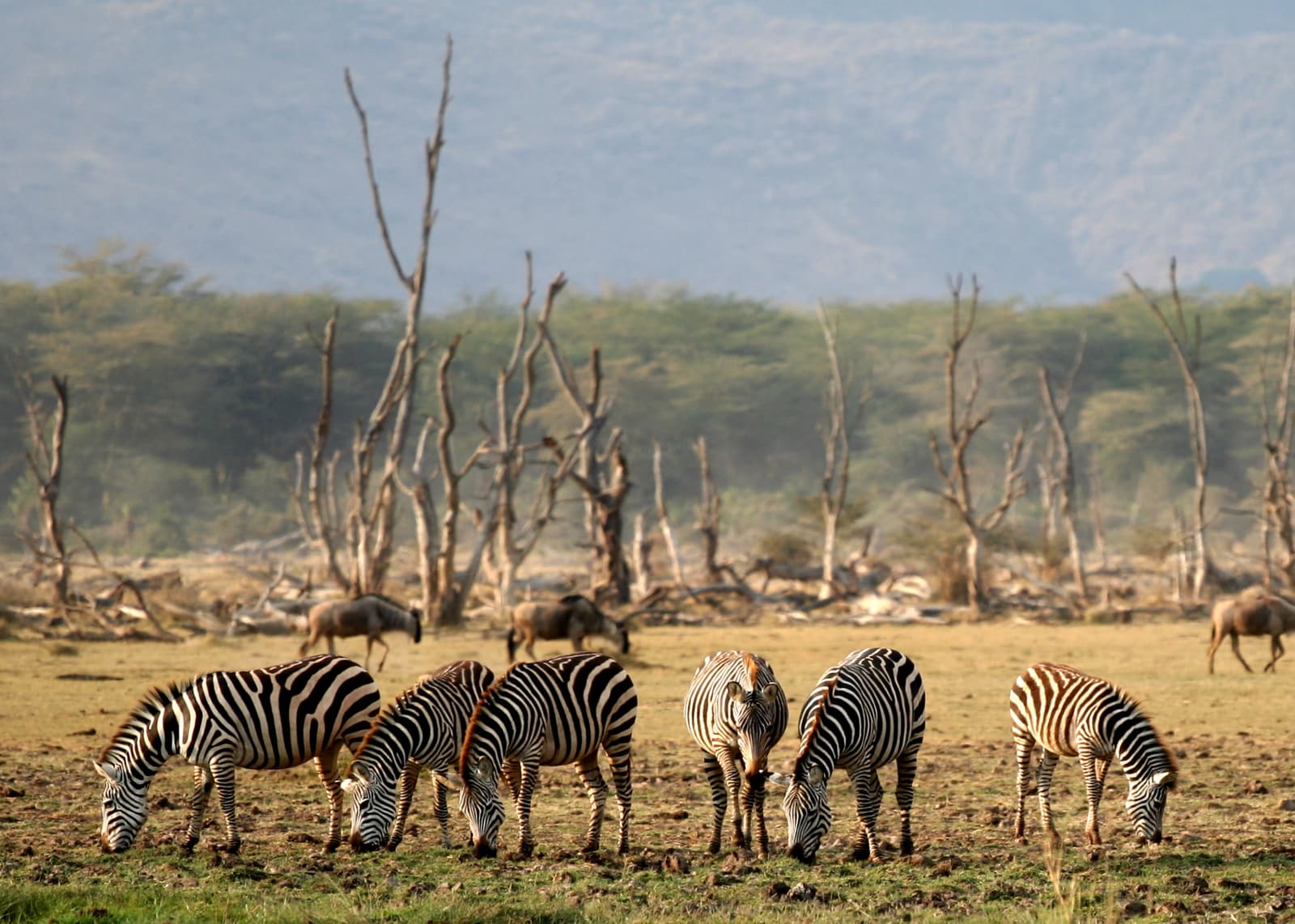
Zebras and wildebeest grazing by Lake Manyara Karatu & the Rift Valley lakes

Lake Manyara National Park

Forest, flamingos and the Rift wall

A compact park squeezed between the Rift Valley escarpment and a shallow soda lake, on the road from Arusha to Ngorongoro. Groundwater forest, big baboon troops, elephants, hippos and rich birdlife make it an easy half-day or full-day game drive.

The wider northern circuit

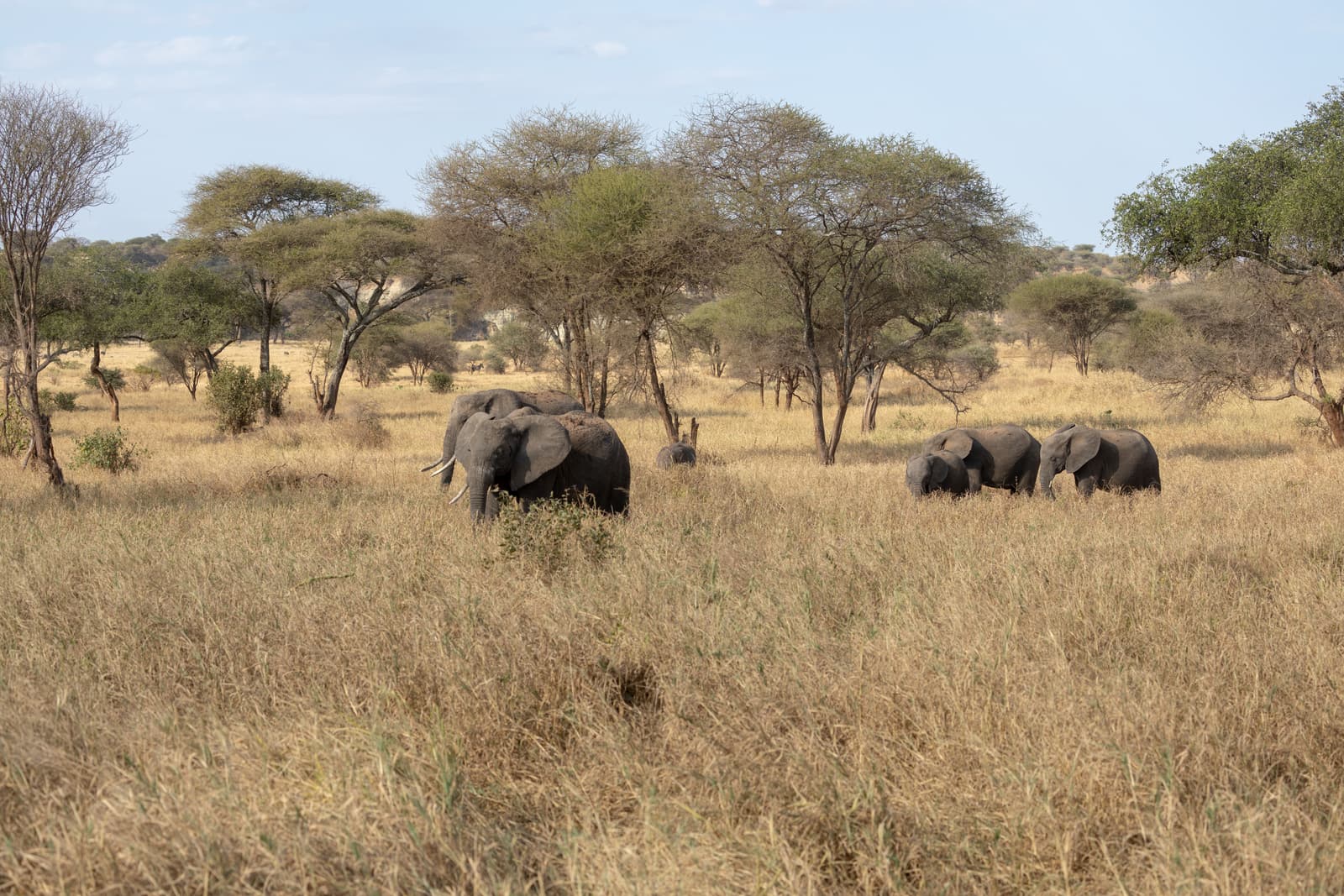
Elephants walking through acacia woodland in Tarangire National Park The wider northern circuit

Tarangire National Park

Elephants and baobabs

In the dry season the Tarangire River is one of the few reliable water sources for a huge area, and elephants arrive in herds of dozens or even hundreds. Add ancient baobabs and far fewer vehicles than the Serengeti, and you have the northern circuit’s most underrated park.

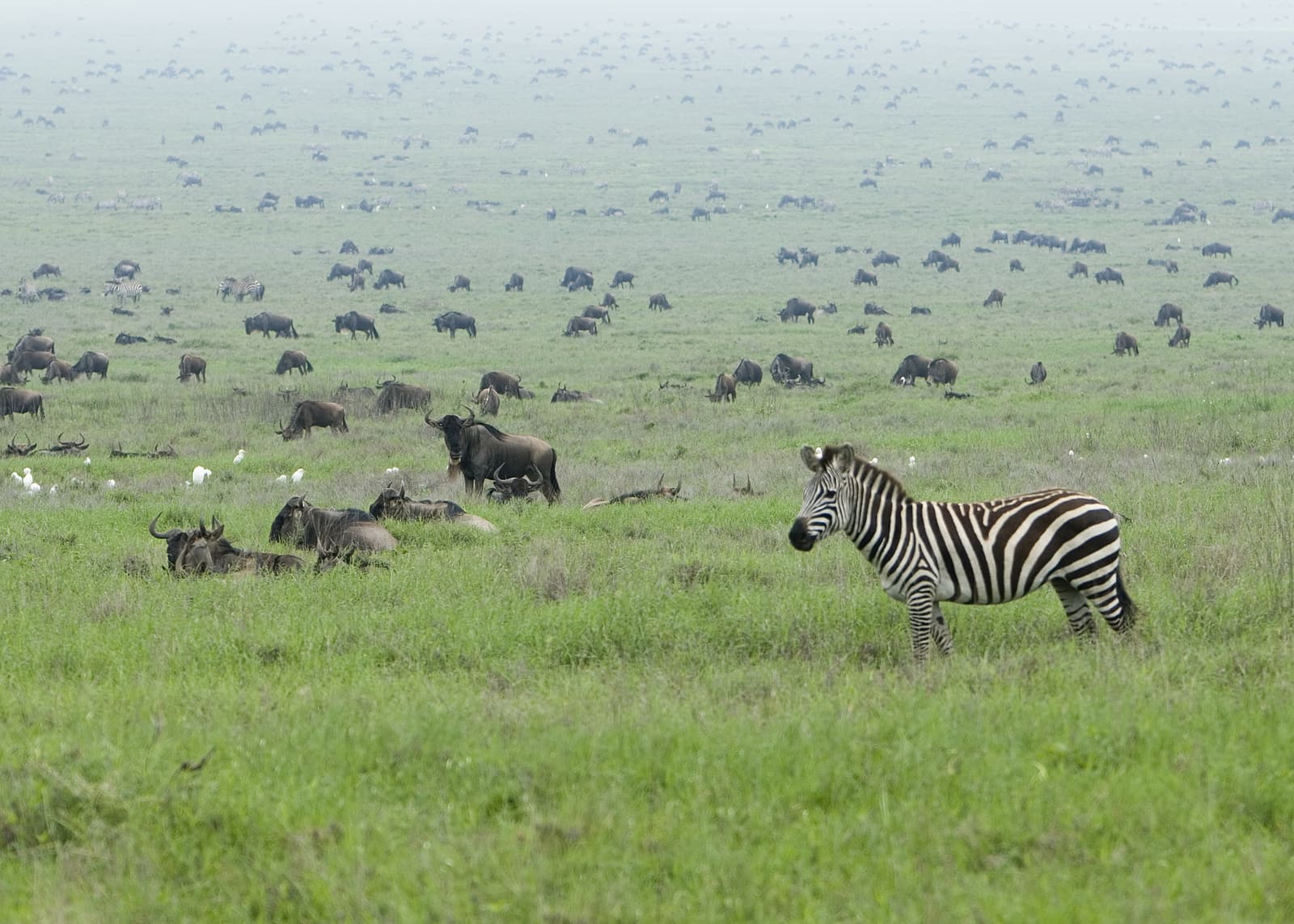
A zebra among wildebeest on the Serengeti plains The wider northern circuit

Serengeti National Park

The endless plains next door

Ngorongoro’s vast neighbour, reached by the road that passes the crater rim. The Serengeti is the stage for the Great Migration and has big cats all year round. Almost every safari longer than two days combines it with the crater.

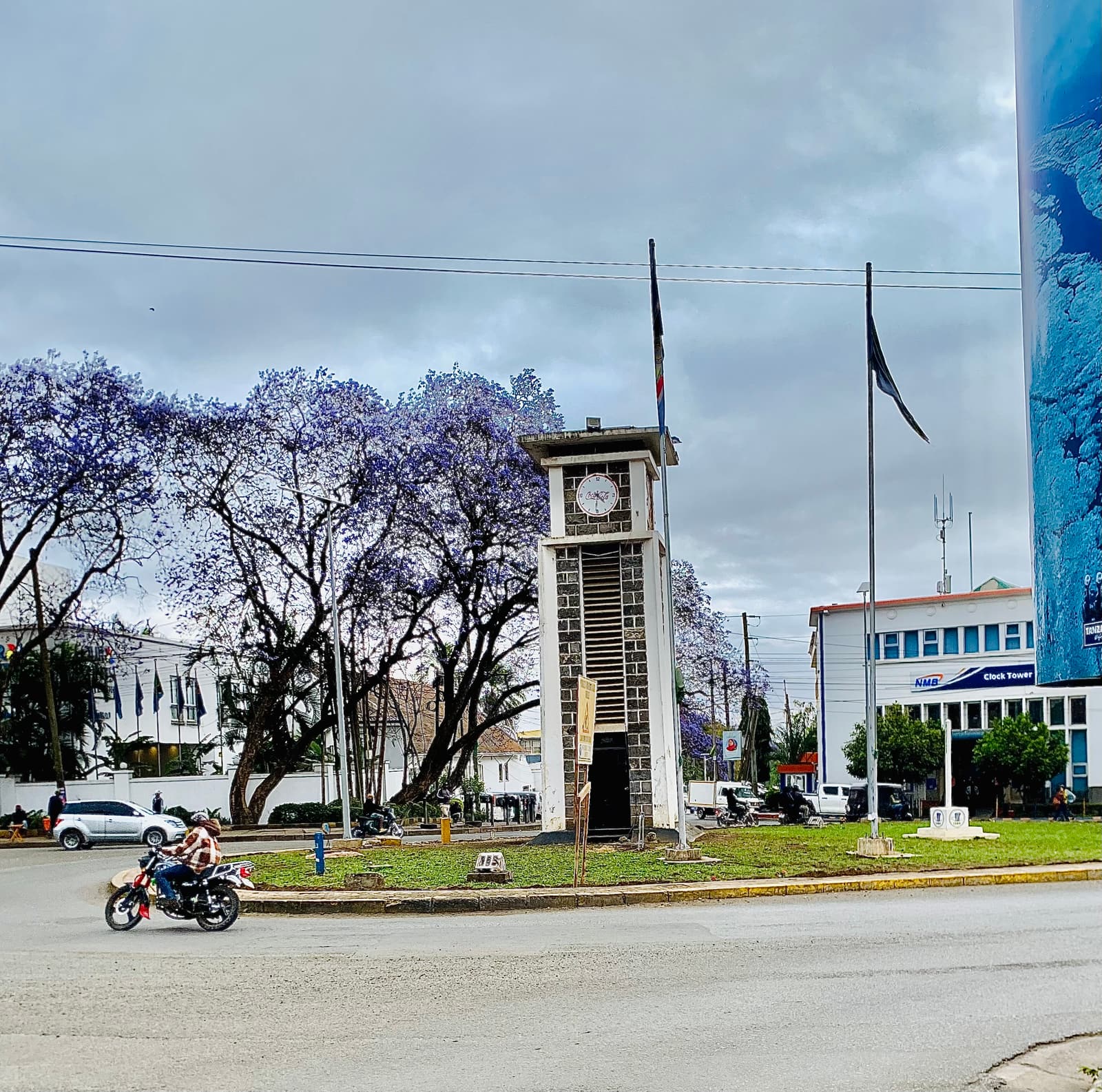
The clock tower roundabout in Arusha with jacaranda trees in bloom The wider northern circuit

Arusha

Where northern safaris begin

The safari capital of northern Tanzania, at the foot of Mount Meru. Almost every Ngorongoro trip starts and ends here, so you are likely to spend at least one night in town. Kilimanjaro International Airport is about an hour away.

How the places fit together

Almost every trip starts in Arusha. The road west passes Tarangire (a short detour south) and Lake Manyara, climbs the Rift escarpment to Karatu and enters the conservation area at Lodoare Gate. From the crater rim it continues past Olduvai and the turning for Ndutu to the Serengeti.

That single road is why itineraries look so alike — and why adding a day usually means adding a place rather than changing the route. See the 3, 5 and 7-day itineraries.

Plan your safari

Make the Ngorongoro Crater the heart of your Tanzania safari

Drop 600 metres to the crater floor at dawn, look for black rhino and lions among the zebra, and picnic by the hippo pool. Compare day trips from Arusha, two-day Tarangire combinations and full Serengeti safaris — and book in a couple of taps.