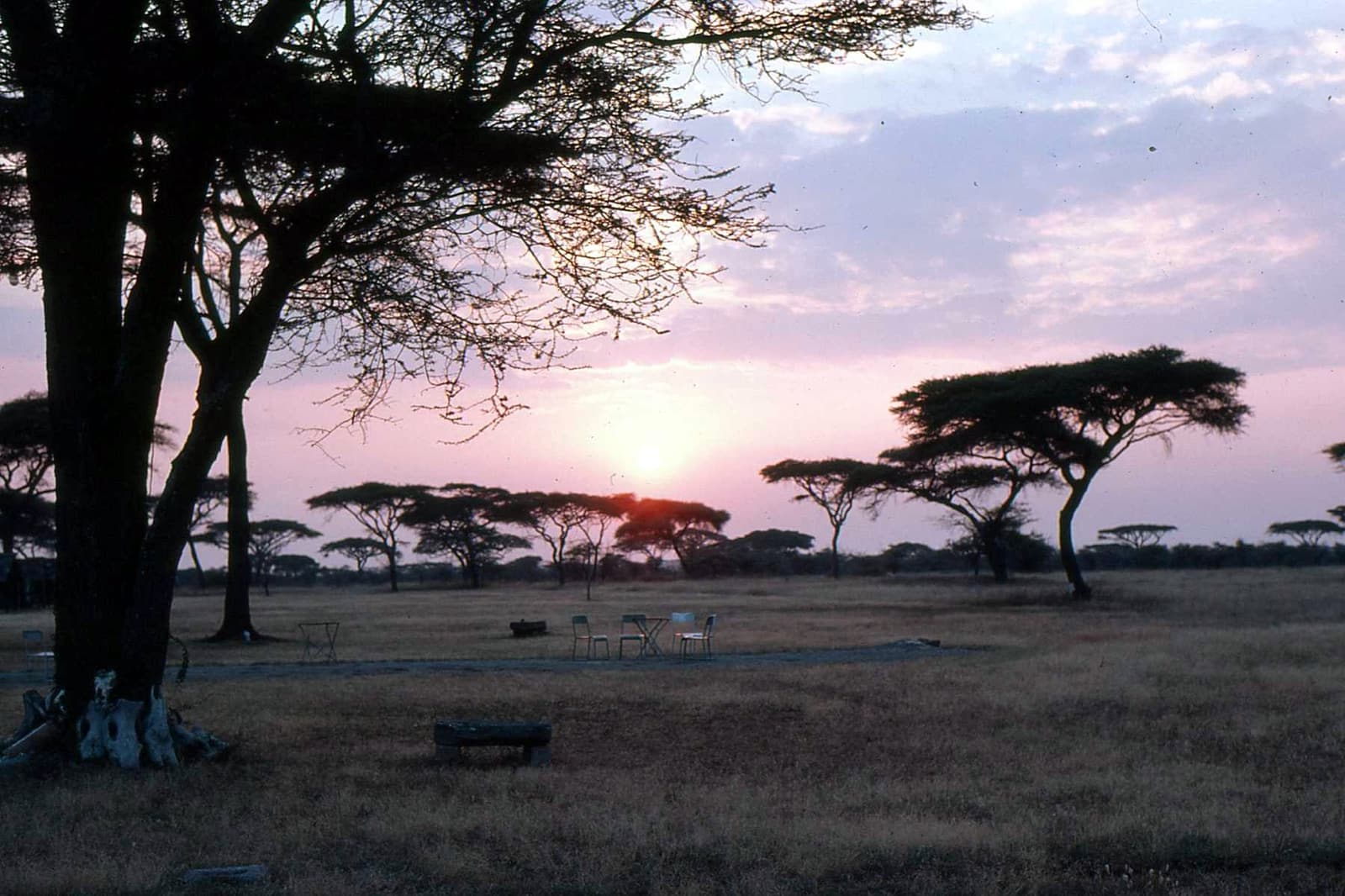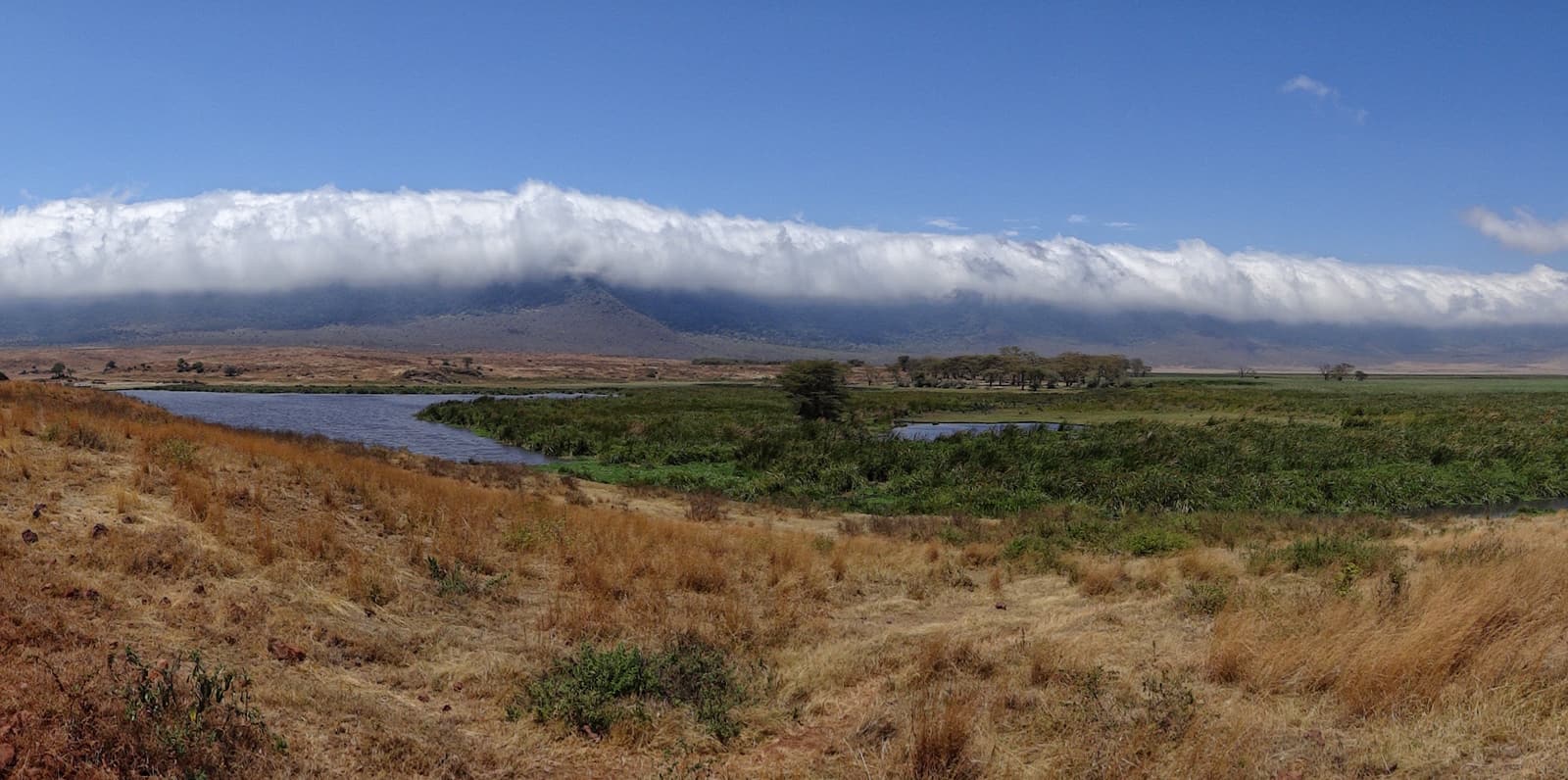
The short answer: the Ngorongoro Crater is a year-round destination. Its wildlife is resident, so you will see plenty in any month. What changes is the scenery, the weather, the number of other vehicles and what is happening in the parks you combine it with.
The seasons in brief
- Long dry season (June–October): clear skies, short grass and easy game viewing. Cold nights on the rim. The busiest and most expensive months, particularly July and August.
- Short rains (November–December): afternoon showers, the first green flush and fewer visitors until the Christmas peak.
- Short dry spell and calving (January–February): generally fine weather, green landscapes and the wildebeest calving at Ndutu. A second high season.
- Long rains (March–May): the wettest months, with heavy showers, lush scenery, low prices and very few vehicles. Some roads become muddy and a few camps close.
East African rains have become less predictable, so treat the dates as a guide.
Month by month
| Month | Weather | Crater | Around it |
|---|---|---|---|
| January | Warm days, some showers | Green, good viewing, fairly busy | Calving begins around Ndutu |
| February | Mostly dry spell | Green and excellent | Peak calving at Ndutu |
| March | Rains build | Lush, quieter | Herds still on the southern plains |
| April | Wettest month | Very green, very quiet, muddy tracks | Lowest prices; some camps closed |
| May | Rain easing | Green, few vehicles | Migration moving north-west |
| June | Dry, cool | Grass shortening, viewing easy | Tarangire starts to fill |
| July | Dry, cold nights | Excellent, busy | Peak season everywhere |
| August | Dry, cold nights | Excellent, busiest | Migration in the northern Serengeti |
| September | Dry, warming | Excellent, slightly quieter | Tarangire at its best |
| October | Dry, warm | Dusty but good | Tarangire still superb |
| November | Short rains begin | Greening, fewer visitors | Herds heading south |
| December | Showers | Green; busy over the holidays | Herds arrive on the southern plains |
Weather on the rim and on the floor
Altitude matters more than season. The rim, at around 2,300 metres, is cool by day and cold at night all year; from June to August early mornings can be only a few degrees above freezing, and mist or low cloud is common at dawn in any month. The floor, about 600 metres lower, is noticeably warmer and often sunny while the rim is in cloud. Karatu is milder than the rim, and Arusha, Manyara and Tarangire are warmer again.
Best time for particular interests
- Easiest game viewing: June to October.
- Calving season at Ndutu: late January to early March.
- Green scenery and photography: January–February and April–May.
- Flamingos on Lake Magadi: variable, often best during and after the rains.
- Birdwatching: November to April, when migrant species are present.
- Lowest prices and fewest vehicles: April, May and November.
- Combining with Tarangire: July to October.
- Mara River crossings in the northern Serengeti: roughly July to September.
Best time of day
Whatever the month, go down early. Being at the descent road when it opens gives you the best light, active predators and a couple of hours before the day-trippers from Arusha arrive. Afternoon descents are quieter than late morning and can be good for light, but your time is cut short by the closing hour.
Crowds
The crater floor is small and the number of vehicles in high season is the most common complaint about Ngorongoro. To reduce it: travel in the shoulder months, sleep close by so you can descend first, and ask your guide to head away from the main picnic site at lunchtime.