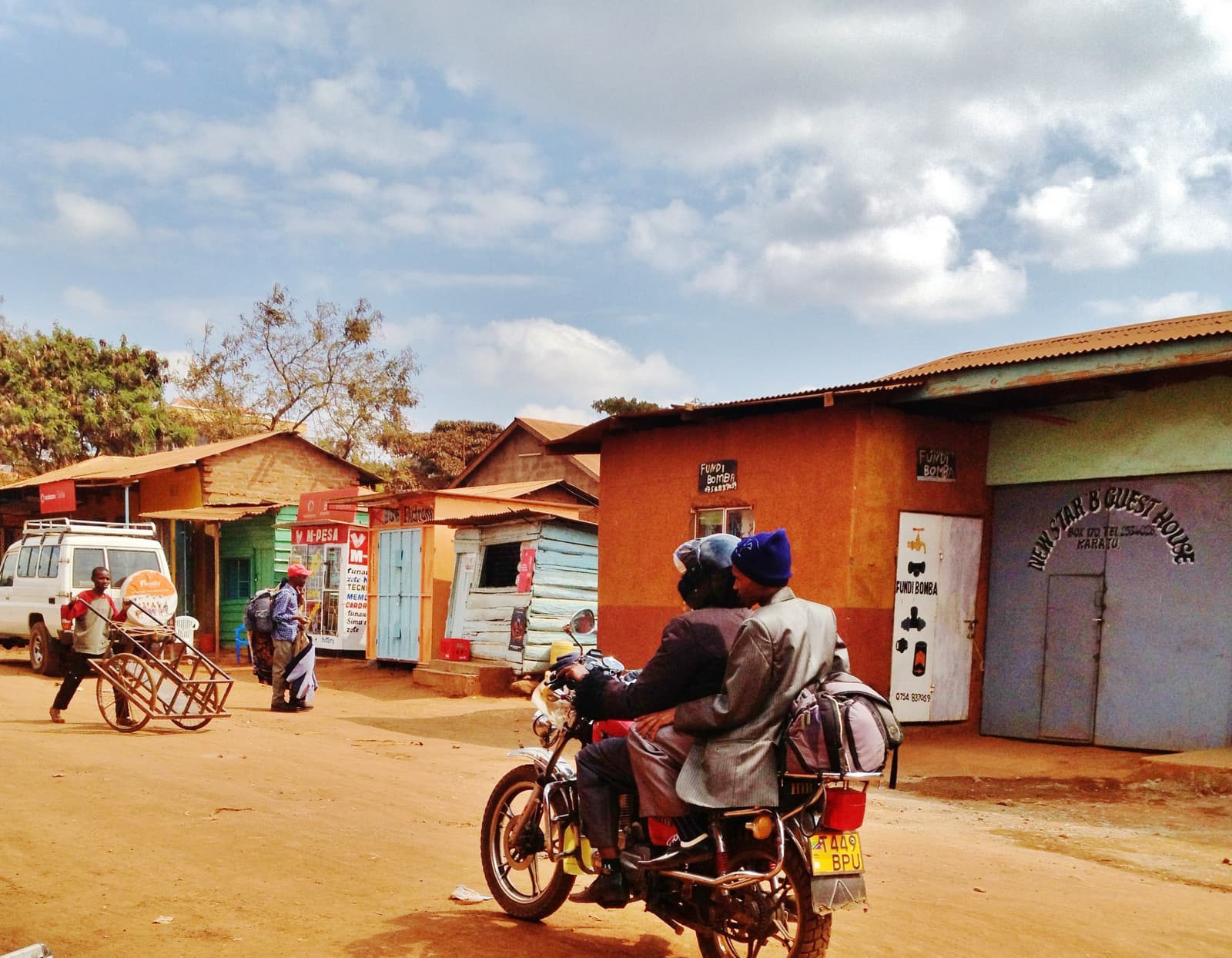
Karatu is the last town before the Ngorongoro Conservation Area: a spread-out farming centre in green highlands at around 1,500 metres, surrounded by coffee, wheat and vegetable fields on rich red volcanic soil. Lodoare Gate, the main entrance, is only about 20 to 30 minutes up the road.
For visitors it is above all a place to sleep. Staying here rather than on the crater rim typically saves a lot of money, because lodges outside the conservation area do not attract its overnight fees — and you can still be at the descent road soon after it opens.
Top things to do: Karatu
Use it as your crater base
From Karatu a crater visit is an easy day: leave before dawn, be at the gate when it opens, spend the morning on the crater floor and be back for a late lunch. Compare lodges on our where to stay page.
Tour a coffee farm
Several of the farm lodges around Karatu grow arabica coffee and offer short tours that follow the bean from bush to cup, with a tasting at the end — a pleasant way to spend the afternoon after a game drive.
Walk with the Iraqw
The highlands around Karatu are home to the Iraqw, a Cushitic-speaking farming people. Local guides lead village walks to farms, brick kilns and traditional homesteads, and there are forest walks on the outer crater slopes, including to the so-called elephant caves, where elephants dig the mineral-rich soil.
Day trips to Manyara and Eyasi
Karatu sits between Lake Manyara, about 30 to 45 minutes back down the escarpment, and Lake Eyasi, a rough drive to the south-west — both workable as day trips.
How to get to Karatu
- Karatu is on the tarmac road from Arusha, about 140 km and 2.5 to 3 hours’ drive.
- The nearest airstrip is Lake Manyara, about 30 to 45 minutes away by road.
- Public buses and shared minibuses run from Arusha, but you still need a 4x4 with a licensed guide to enter the crater.
Insider tips
- Karatu has ATMs, fuel and small supermarkets — the last reliable ones before the conservation area and the Serengeti.
- Nights are cool rather than cold: noticeably warmer than the crater rim, 700 to 800 metres higher.
- Independent travellers can sometimes arrange a seat in a shared crater vehicle through Karatu lodges and operators, which is cheaper than hiring a whole car.
Best tours & safaris: Karatu
These experiences are the easiest way to see Karatu:
 Multi-day safari from €330
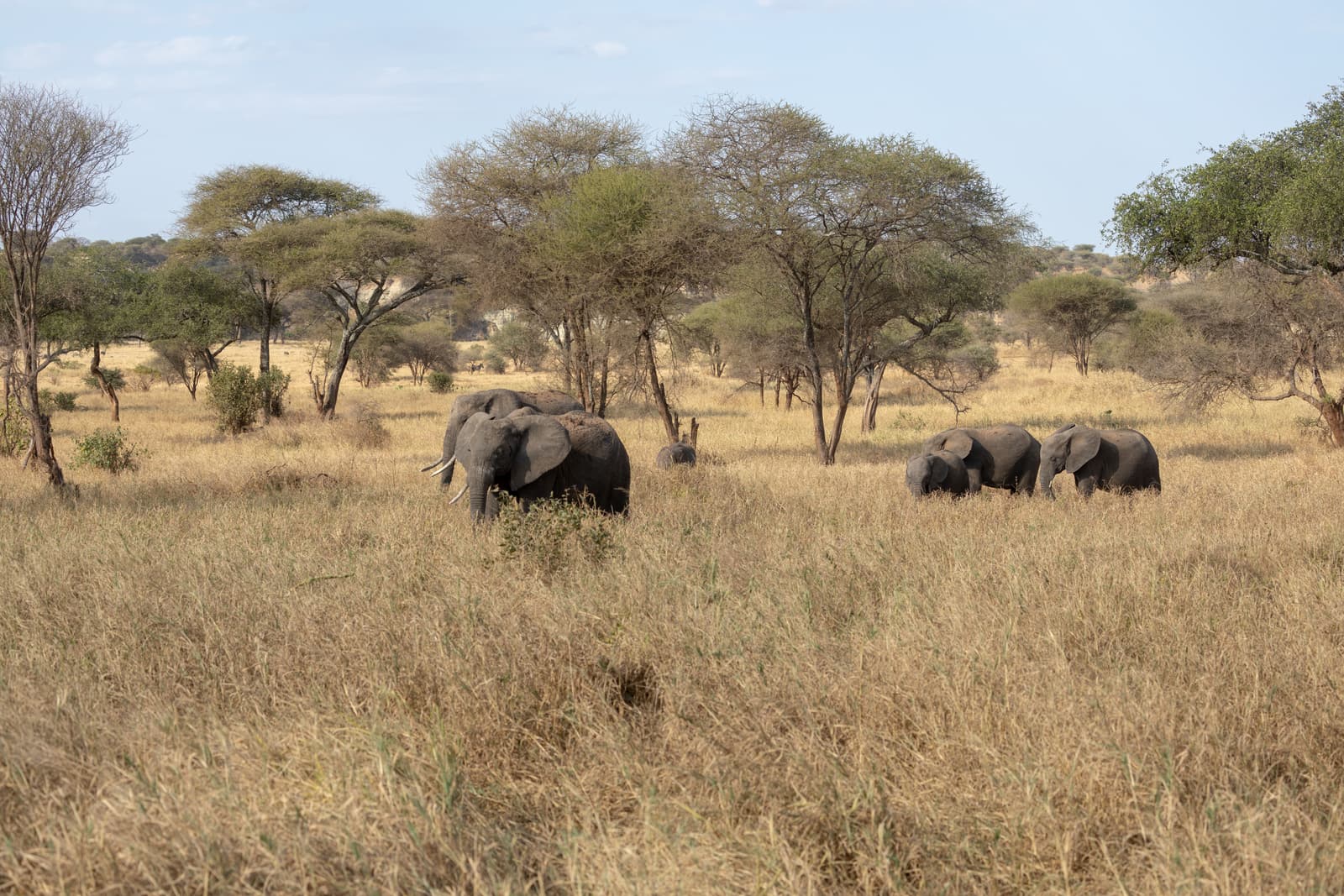
Arusha: 2-Day Tarangire & Ngorongoro Crater Big Five Safari
Two parks, one night. Day one is Tarangire National Park, famous for elephants and baobabs; you sleep in the Karatu area and descend into the Ngorongoro Crater early on day two. The overnight near the gate turns the crater from a rushed day trip into a relaxed morning game drive.
- Tarangire’s elephants on day one
- Overnight near Karatu, early crater descent
- Often the best-value way to see the crater
 Multi-day safari from €446
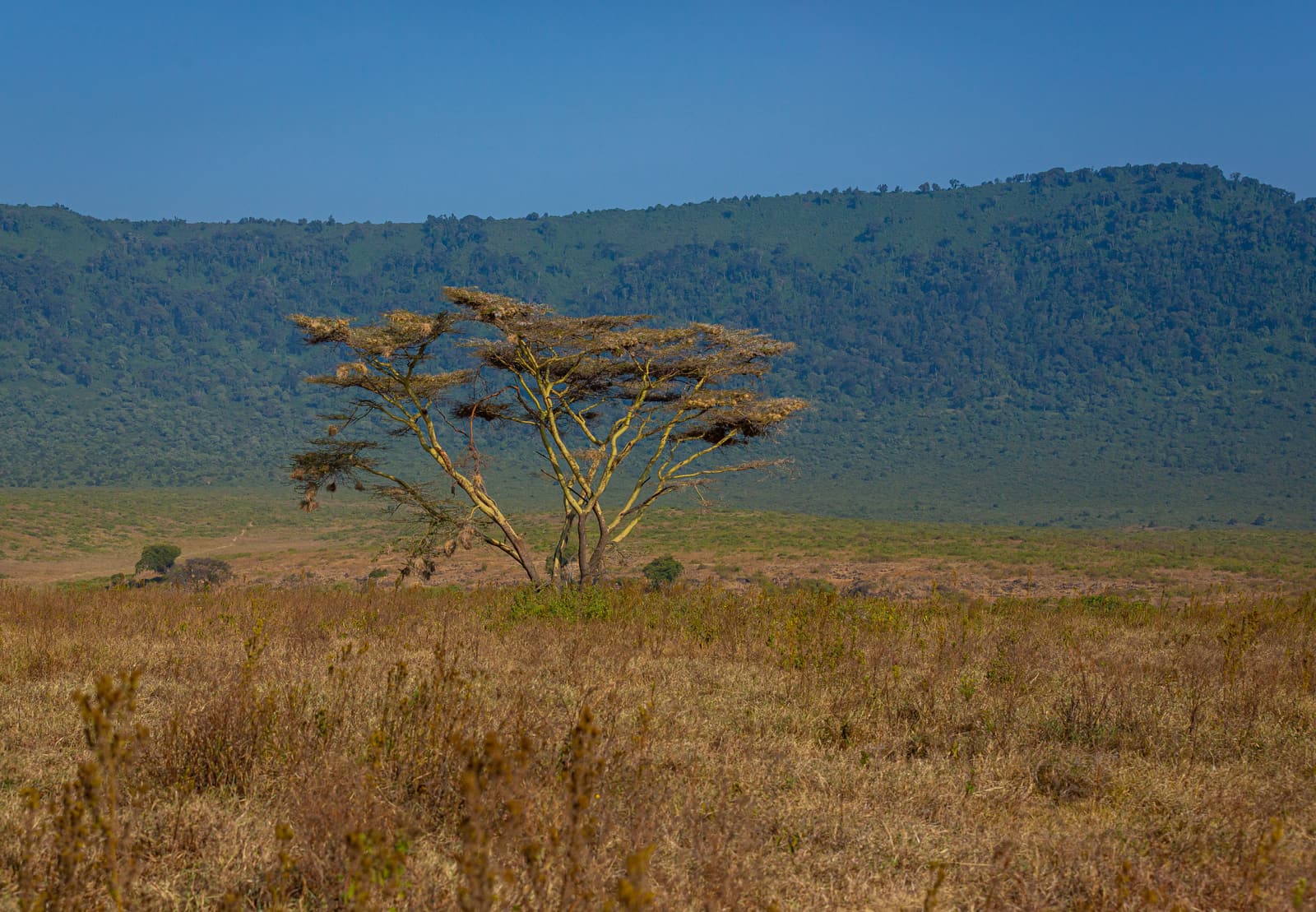
Arusha: 2-Day Tarangire and Ngorongoro Crater Safari
A second, well-reviewed take on the two-day Tarangire and Ngorongoro combination. The structure is the same — Tarangire, an overnight, then the crater — so choose between them on accommodation standard, group size and what the price covers.
- Tarangire game drive on day one
- Overnight between the parks
- Crater descent on day two
 Culture & safari from €1381
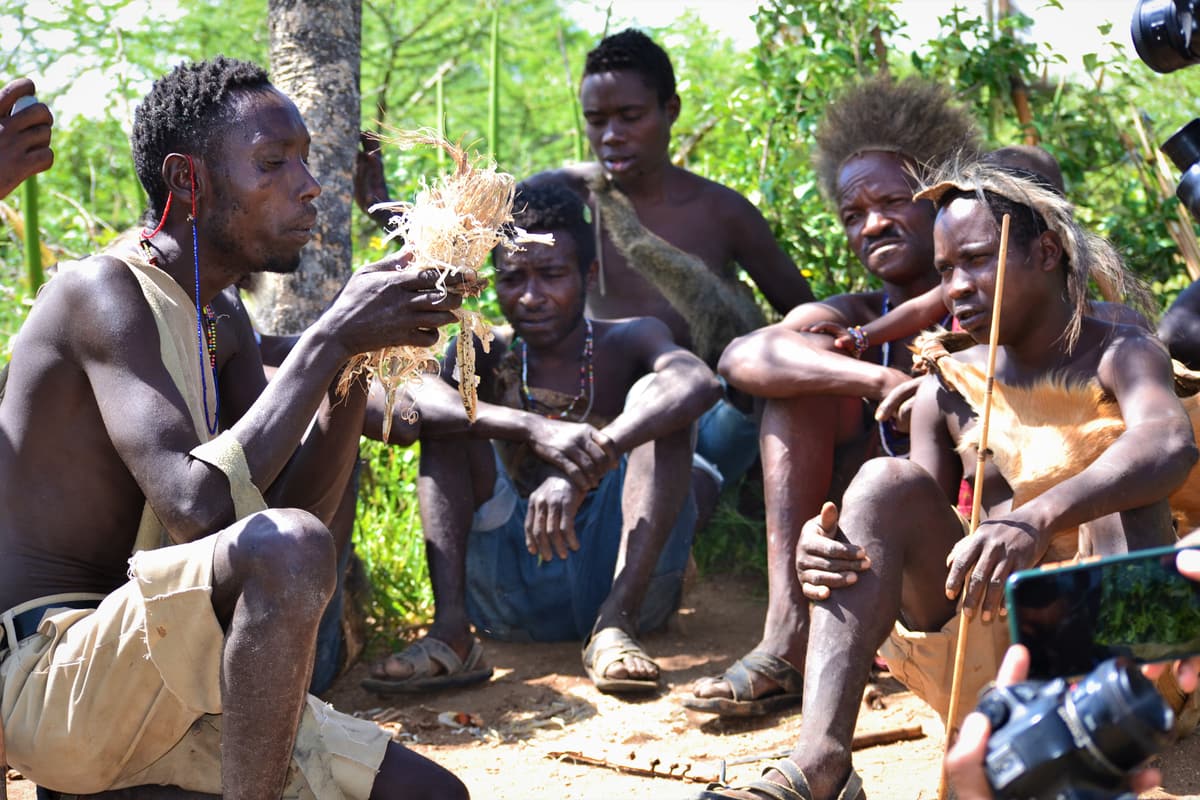
Arusha: 3-Day Lake Eyasi Trip and Safari
A three-day trip that pairs game viewing with Lake Eyasi, where visitors can spend a morning with Hadzabe hunter-gatherers and visit Datoga blacksmiths. A newer listing with few reviews so far — ask how the community visit is arranged and paid for.
- Time with the Hadzabe and Datoga at Lake Eyasi
- Combined with game viewing
- New listing — few reviews yet
 Day trip from €285
Arusha: Lake Manyara National Park Full-Day Safari
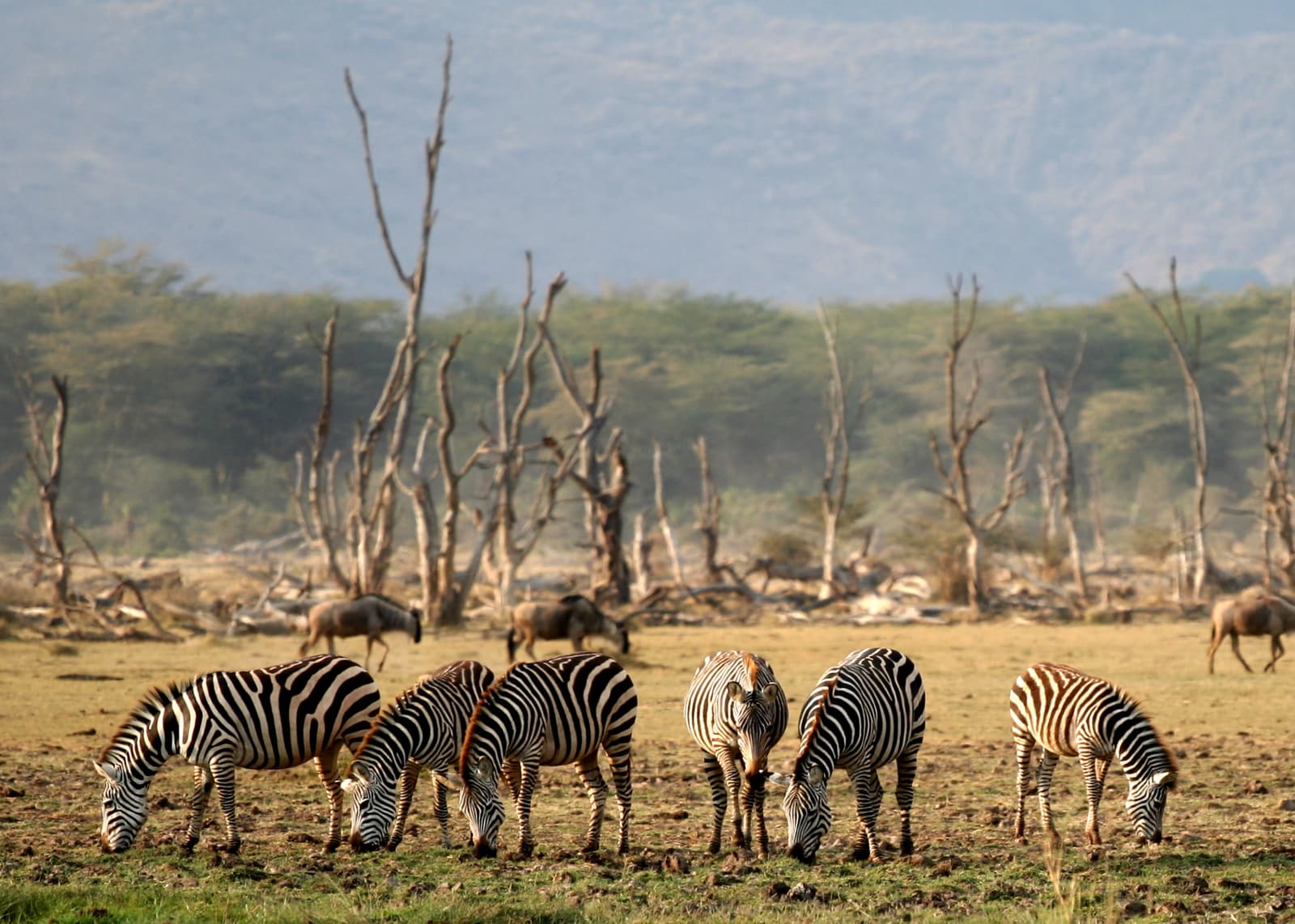
A day safari to Lake Manyara National Park, a compact park below the Rift Valley escarpment on the road to Ngorongoro. Expect groundwater forest, big baboon troops, hippos and — when water levels suit them — flamingos. A newer listing without many reviews yet.
- Groundwater forest and lakeshore
- Baboons, elephants, hippos and birdlife
- New listing — few reviews yet